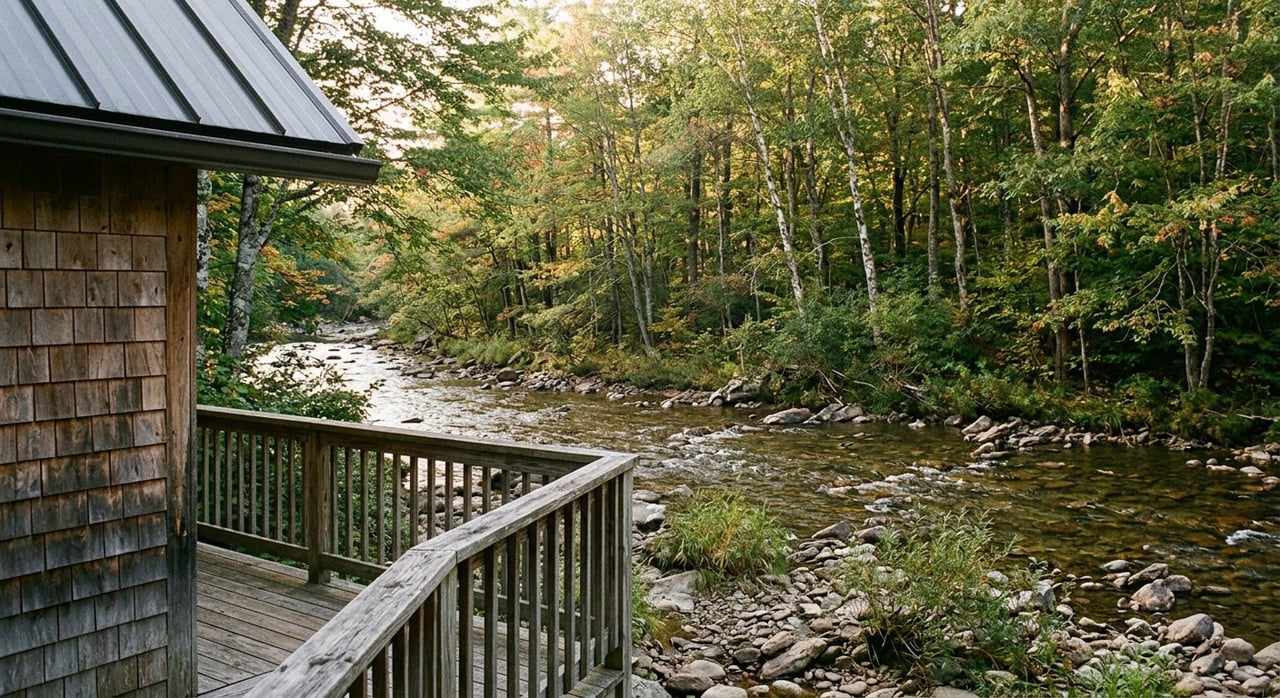
Dreaming about a quiet place on the Potomac where your weekends revolve around the water, the trail, and a slower pace? A river cabin near Paw Paw can offer exactly that, but it also comes with practical questions you need to answer before you buy. If you are considering a cabin in or near Paw Paw, West Virginia, this guide will help you understand the lifestyle, the setting, and the due diligence that matters most. Let’s dive in.
Why Paw Paw Feels Different
Paw Paw is not a resort town with a busy commercial strip or a packed calendar of entertainment. It is a small Morgan County river town with 410 residents counted in the town in the 2020 Census, while Morgan County had 17,063 residents. That small scale is part of the appeal if you want a quieter second-home setting.
The town’s identity is closely tied to the Potomac River, the canal, and the Paw Paw Tunnel. The town says it was named for the pawpaw fruit, and the nearby tunnel was built to bypass the Paw Paw Bends. For many buyers, that creates a setting that feels rooted in local history and outdoor access rather than polished vacation development.
River Life Comes First
When you own a cabin near Paw Paw, the river is usually the main event. The area is known for paddling, hiking, sightseeing, and spending time outdoors at your own pace. That is a very different rhythm from owning in a destination built around shops, nightlife, or resort amenities.
The National Park Service notes that the Paw Paw Tunnel is 3,118 feet long and recommends bringing a flashlight. Visitors can also use the towpath and Tunnel Hill Trail for views of the Paw Paw Bends. If your ideal cabin weekend includes a morning walk, a paddle, and a quiet evening back at the house, this area fits that pattern well.
Recreation Is Active, Not Just Scenic
This stretch of the Potomac is not only pretty to look at. Maryland DNR says the route is runable year-round except after severe drought, with normal travel around 1.5 miles per hour. It classifies this stretch as Class I, while also warning that the current is strong, deceptive, and unpredictable.
That matters because a river cabin here works best for buyers who want a hands-on outdoor base. You may spend more time checking river conditions, loading gear, and cleaning up after a muddy trail day than looking for nearby entertainment options. For many second-home buyers, that is exactly the point.
Access Points and Wildlife Add to the Appeal
Maryland DNR says boat launch parking is just over the Route 51 bridge entering Paw Paw. The floodplain shoreline also supports wildlife such as wood ducks and river otters. Canoe camping is available at Bond's Landing and other canal locations, which reinforces the area’s strong connection to outdoor recreation.
The National Park Service also notes that the park has plenty of Potomac access points. At the same time, boating on the river is governed by Maryland, and visitors should check current conditions and wear life jackets. In short, the river is a major lifestyle draw, but it deserves respect every time you head out.
What Cabin Ownership Really Looks Like
A river cabin near Paw Paw often feels more practical than polished. The best properties in this setting are not always about luxury finishes or a picture-perfect layout. Instead, they often succeed because they function well for weekends, gear storage, wet boots, and regular upkeep.
That means you should think of the cabin as a working base for river life. If you want a low-fuss retreat, the systems behind the scenes matter just as much as the view from the deck. In this market, utility details are not minor items. They are central to ownership.
Well and Septic Matter More Than You Think
West Virginia’s on-site wastewater program provides technical assistance and permits for conventional and non-conventional on-site sewage systems. The state’s water-well program also requires certification for all water-well drillers operating in West Virginia. For buyers, that makes private well and septic documentation an essential part of the buying process.
If you are used to public water and sewer, this can be a shift. A cabin near Paw Paw may depend on private systems that need proper inspection, maintenance history, and a clear understanding of capacity and condition. Weekend use can also create different patterns of wear and maintenance than full-time occupancy.
Water Testing Is a Core Ownership Task
The EPA says private well owners are responsible for their own water safety. It recommends annual testing for total coliform bacteria, nitrates, total dissolved solids, and pH. That is an important reminder that river-cabin ownership includes real routine responsibilities.
The view may sell the dream, but water quality helps define day-to-day livability. If you are buying a property that will be used seasonally or on weekends, it is smart to understand how the water system has been monitored and maintained. This is one of the first practical questions worth asking.
Flood Risk Should Shape Your Search
If there is one issue you should treat as non-negotiable near the river, it is flood exposure. FEMA says the Flood Map Service Center is the official public source for flood hazard information, and areas with a 1% annual chance of flooding are considered high-risk. For a river cabin, that is not background information. It is a major part of your buying decision.
Flood risk can affect more than insurance. It can shape how often you can access the property, what improvements are realistic, and how the cabin functions during wet seasons. The right property for you is not just charming. It is also workable when the river rises.
Paw Paw Flood Conditions Are Specific
For Paw Paw, the USACE gauge page lists flood stage at 25 feet and warning stage at 24 feet. National Weather Service impact text says floodwaters can cover the bridge over the Potomac at the state line, WV Route 9, Maryland Route 51, and the access road on the West Virginia side. Those are real access concerns for anyone considering property near the river.
That is why you should look beyond the structure itself. A cabin can seem perfect until you factor in road access, drainage, and how the site performs during higher water. In a location like Paw Paw, usable access is part of the property’s value.
Local Permit Review Is Part of Due Diligence
Morgan County’s Planning Commission administers residential and commercial building permits and has a Floodplain Administrator. The county’s floodplain ordinance says the permit officer is appointed to administer and implement the floodplain program. For buyers, this means local review matters when you are evaluating improvements, additions, or future plans for the property.
Before you move forward, it helps to understand not only where the cabin sits, but also what that location means for permits and floodplain compliance. This is one of the places where local guidance can save time and help you avoid surprises. A good cabin purchase starts with a realistic look at the site, not just the listing photos.
A Smart Buyer’s Cabin Checklist
If you are serious about owning a river cabin near Paw Paw, keep your early review focused on the basics that most affect day-to-day use.
- Check flood exposure using official flood hazard information.
- Ask for well and septic records, permits, and maintenance details.
- Review access road conditions and how the property is reached during high water.
- Confirm whether the cabin is set up mainly for weekend use or more regular occupancy.
- Look at storage, utility function, and cleanup practicality for outdoor gear.
- Evaluate the property as a river base, not just as a showpiece.
That kind of checklist helps you stay grounded in how the property will actually live. In an area like Paw Paw, the right fit is often the cabin that matches your habits and expectations, not the one with the flashiest finish work.
Why Local Guidance Matters
Buying a cabin in a small river setting is different from buying in a more built-out market. Details like floodplain questions, access patterns, and private utility systems can have a big impact on how confident you feel about a property. They can also affect which homes deserve a closer look and which ones may not fit your goals.
That is where local market knowledge makes a difference. A relationship-driven brokerage with experience in Morgan County and the Eastern Panhandle can help you look past the postcard appeal and focus on what supports long-term enjoyment. For many buyers, that blend of lifestyle insight and practical review is exactly what makes a second-home search feel manageable.
If you are thinking about owning a river cabin near Paw Paw, working with a local team can help you weigh the charm, the realities, and the opportunities with clear eyes. When you are ready to explore properties in Morgan County and the surrounding area, Kesecker Realty, Inc. can help you take the next step.
FAQs
Is Paw Paw, West Virginia a resort town for cabin buyers?
- No. Paw Paw is a small river town whose identity is tied more to the Potomac, the canal, and the Paw Paw Tunnel than to a dense commercial vacation district.
Can you kayak or canoe near a cabin in Paw Paw?
- Yes. Maryland DNR says this Potomac stretch is used for paddling and is generally runable year-round except after severe drought, but the current can be strong, deceptive, and unpredictable.
What should you inspect first when buying a river cabin near Paw Paw?
- Start with flood exposure, well and septic documentation, access road condition, and whether the property is designed mainly for weekend use or more regular occupancy.
Does a Paw Paw cabin property need private well and septic review?
- Often, yes. West Virginia regulates on-site wastewater systems and certified water-well drilling, so records and system condition are important parts of due diligence.
Why is flood risk such a big issue for cabins near Paw Paw?
- Flood conditions can affect the structure, insurance needs, road access, and overall usability of the property when river levels rise.
What outdoor features make a cabin near Paw Paw appealing?
- Many buyers are drawn to Potomac access, the Paw Paw Tunnel area, the towpath, Tunnel Hill Trail, and the area’s paddling, hiking, camping, and wildlife setting.