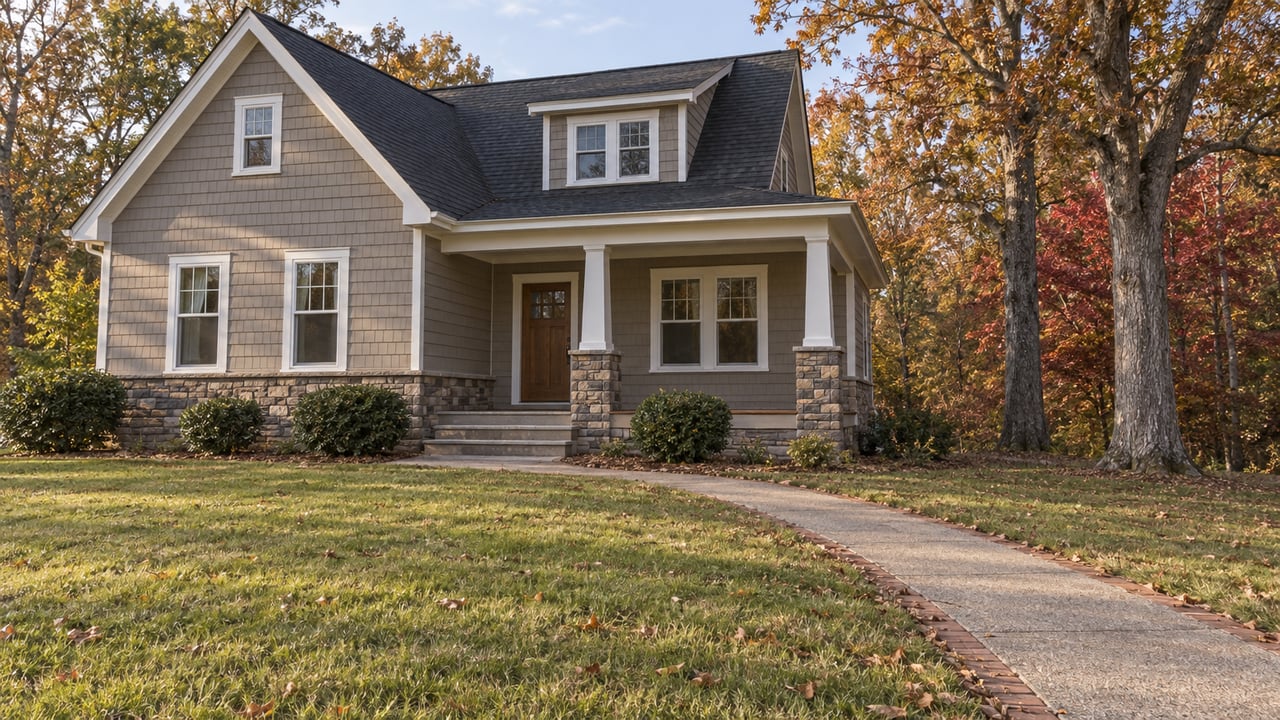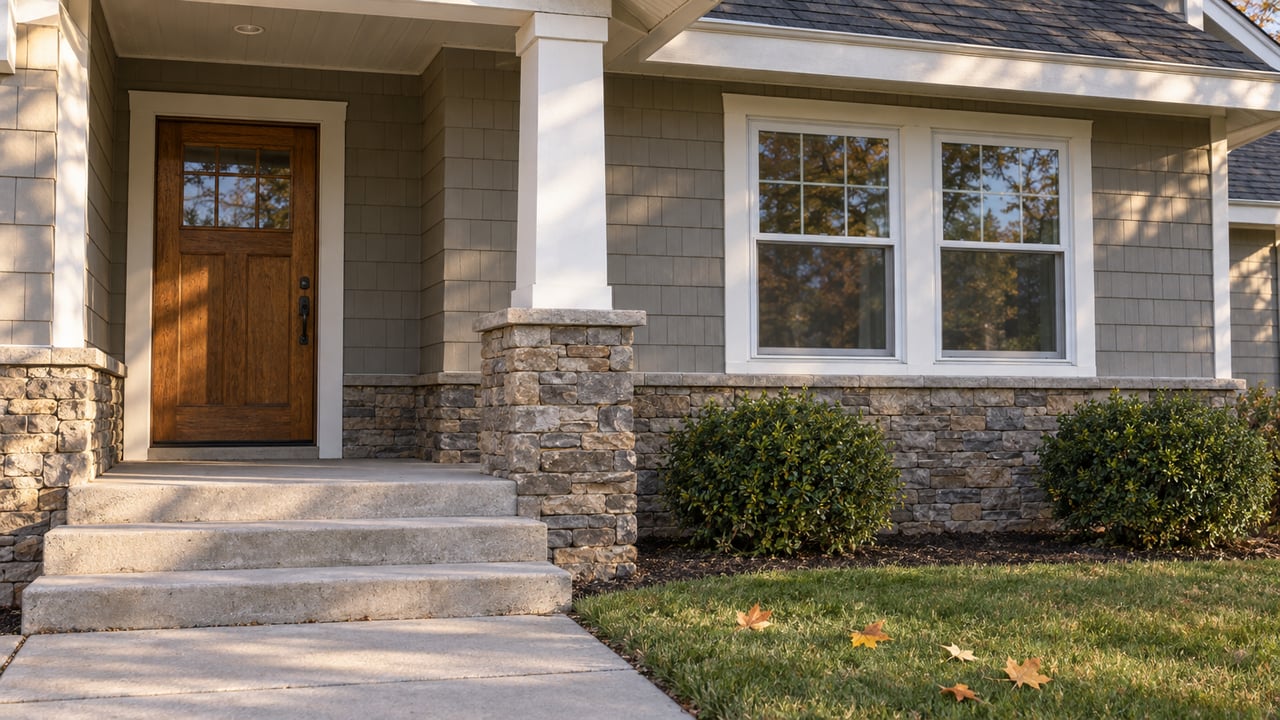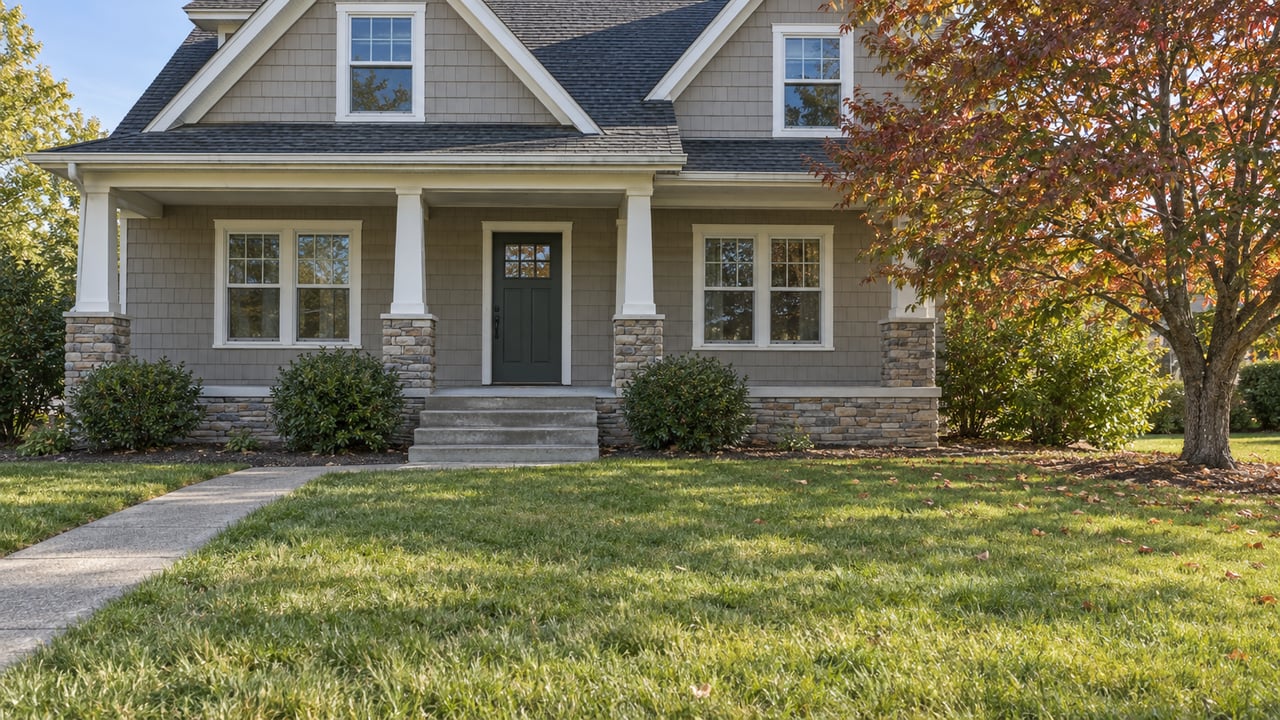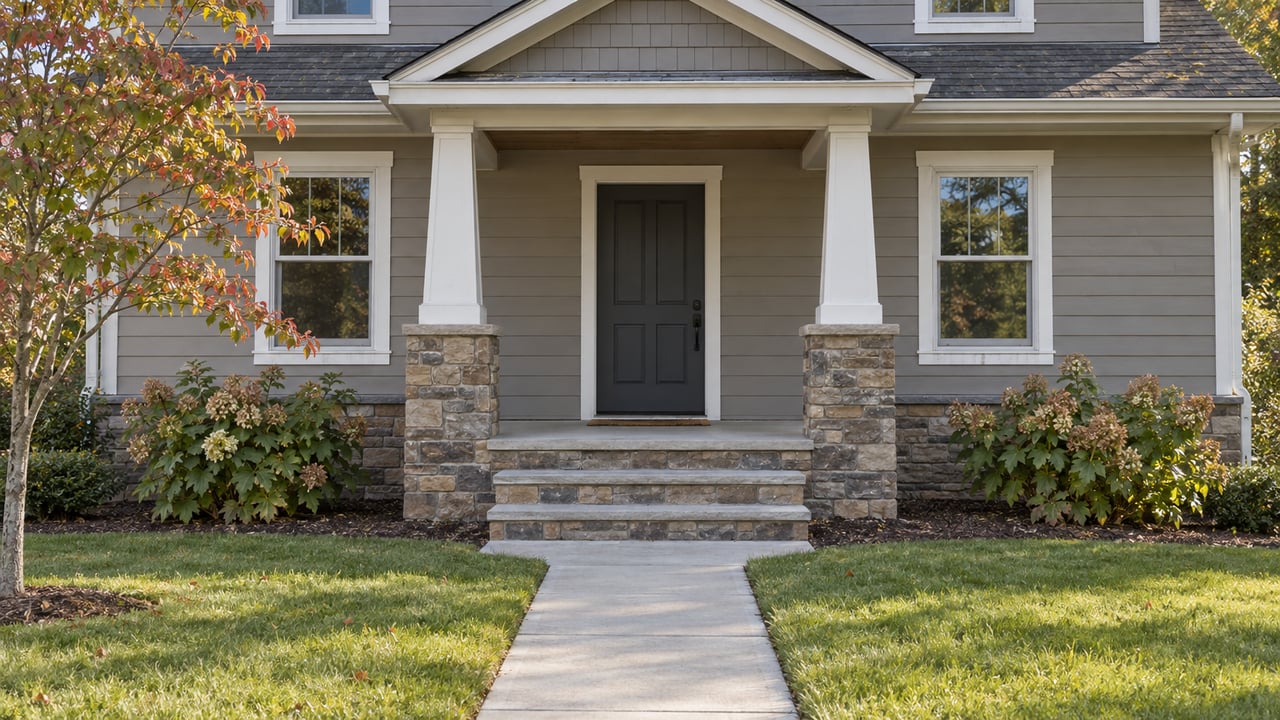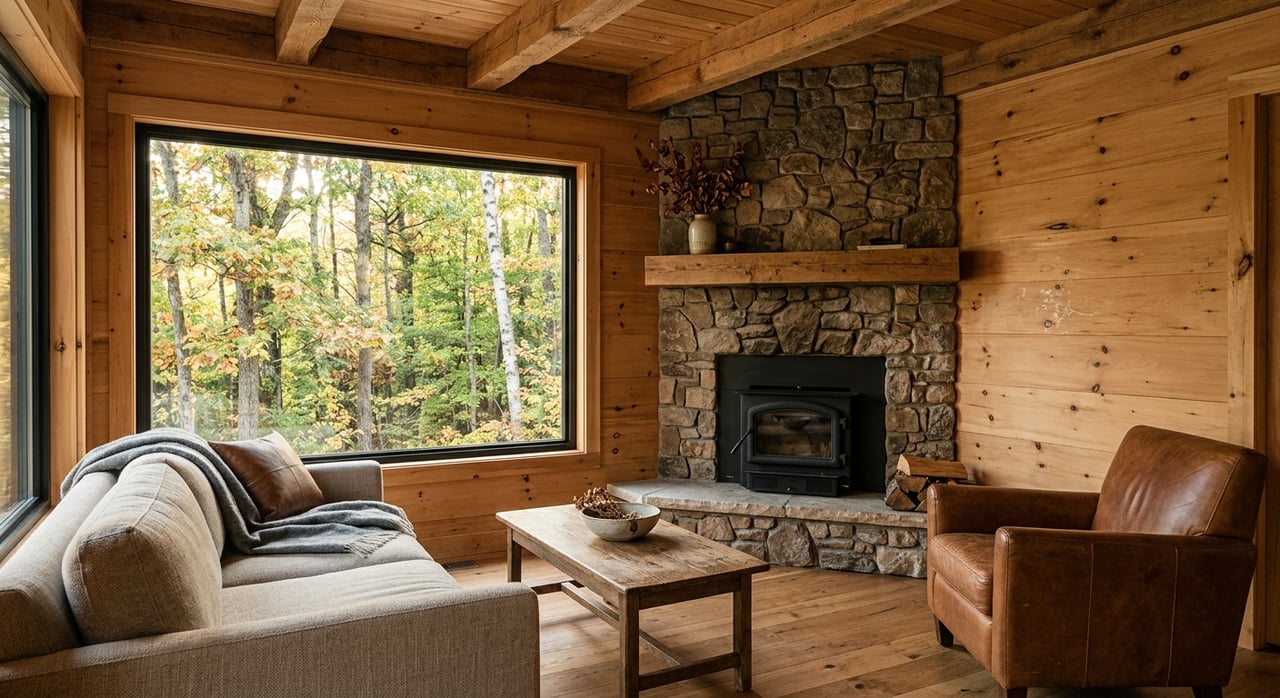
Wondering how to sell a cabin around Paw Paw without guessing on price, prep, or timing? If you own a rustic getaway, acreage property, or long-held family cabin in the 25434 area, you are likely selling a very different kind of home than a typical in-town house. This guide will help you understand what buyers are looking for, how to prepare the property, and what to expect from the selling process in Hampshire County. Let’s dive in.
Know the Paw Paw cabin market
Selling a cabin around Paw Paw starts with understanding who may buy it. Hampshire County is rural, with an estimated 23,793 residents and about 36.1 people per square mile, and about 82.3% of homes are owner-occupied. That points to a market with many long-time owners, but it also suggests that buyers for cabins are often looking for something specific, not just any house.
Cabin buyers in this area are often drawn to land, privacy, and outdoor access. The Paw Paw Tunnel and the surrounding Potomac River valley offer hiking, camping, biking, and a strong recreation-based lifestyle backdrop. If your property offers wooded acreage, porch space, storage for gear, or a quiet retreat feel, those features should shape how your cabin is presented.
Local inventory also shows that buyers in the Paw Paw area are used to seeing homes with acreage and land-focused properties. That matters because your cabin may be compared less to standard houses and more to other rural properties with different access, utility setups, and finish levels. In other words, your buyer pool is more specialized, and your sale strategy should be too.
Price from the property, not the county average
One of the biggest mistakes cabin sellers make is leaning too hard on broad county numbers. Recent Hampshire County market reports vary quite a bit, with reported figures ranging from a median listing price of $215,000 to a median sale price of $274,234, and average home value estimates around $252,504. That spread shows why county averages alone do not tell you what your cabin should list for.
A cabin around Paw Paw should be priced based on its own details. Condition, acreage, road access, privacy, well and septic status, and how finished or seasonal the property feels can all move value up or down. A well-kept cabin with usable outdoor space and clear utility information may appeal more strongly than a larger property that leaves buyers with too many unanswered questions.
Tax assessment should also be treated carefully. In West Virginia, property is generally assessed at 60% of fair market value, and the county assessor values residential real estate for tax purposes. That means your tax assessment is a reference point, not a reliable asking price.
Prep the cabin for buyer confidence
Cabin prep does not have to mean a full renovation. In many cases, the most effective steps are the simplest ones because they help buyers feel the property has been cared for. A deep clean, decluttering, and removing extra gear can make the cabin feel more open and easier to understand.
Outside, focus on the approach to the home. Straighten up the porch, deck, outbuildings, and entry path so the property feels intentional from the moment a buyer arrives. In a rural market, first impressions start before someone opens the front door.
Try to help buyers picture how they would use the cabin. A tidy fire pit area, organized shed, clean deck, and open gathering space can make the property feel ready for weekends, seasonal use, or longer stays. Buyers are often responding to the lifestyle as much as the structure itself.
Get well and septic details in order
For rural properties around Paw Paw, private utilities are a major part of the sale. Buyers often want to know early how the property is served, what records are available, and whether the systems have been maintained. If those questions are answered up front, the listing often feels stronger and more trustworthy.
In West Virginia, anyone who wants to drill, modify, or abandon a well must obtain a permit from the local health department, and the well must be drilled by a licensed well driller. The local health department can also provide potable water testing. If you are unsure about your records or the current condition of the water supply, it is smart to look into that before listing.
The state’s on-site sewage program also provides technical help for conventional and non-conventional systems and includes a Home Loan Evaluation of Well and/or Sewage System Request form. For sellers, that means well and septic information should not be treated like fine print. It is part of the property story, and buyers may base their comfort level on how clearly you can explain it.
Market the lifestyle and the logistics
A cabin listing around Paw Paw needs to do two jobs at once. It should highlight the experience of the property, and it should clearly explain the practical details. The strongest listings usually combine both.
Start with the lifestyle angle. If the property offers wooded privacy, deck space, acreage, trail access, river proximity, or room for outdoor equipment, those are not side notes. In this market, they are often some of the biggest reasons a buyer clicks, tours, and makes an offer.
Then make the logistics easy to understand. Buyers should be able to tell how much land is included, what access is like, whether the home uses private water or sewage, and how the property functions across seasons. Clear marketing matters because Hampshire County remains a rural market, but 80.7% of households have broadband subscriptions, which means online presentation still plays a big role in reaching buyers.
That is why strong photography and accurate listing remarks matter so much for a cabin sale. Good visuals can capture the setting, while clear property descriptions help serious buyers decide if the property fits their needs before they visit. For a niche property type, that can save time and improve the quality of showings.
Expect a multi-stage timeline
If you are hoping to sell quickly, it helps to set realistic expectations from the start. Recent Hampshire County market snapshots show different timelines depending on the source, including homes going pending in about 37 days, average days on market around 52 days, and some measurements stretching from 71 to 107 days. The takeaway is not that one number is right and the others are wrong. The takeaway is that timing can vary, especially for non-standard rural properties.
For a cabin around Paw Paw, it is better to think in stages:
- Pre-listing prep
- Pricing and marketing setup
- Active market time
- Contract-to-closing period
That timeline can be affected by the condition of the cabin, pricing strategy, acreage, utility documentation, and buyer financing or inspections. A well-prepared property may move more efficiently, but it is still wise to plan for a process rather than a rush.
Understand a few West Virginia selling basics
Selling a property in West Virginia comes with a few state-specific details worth knowing. One is the real-property transfer tax, which is $1.10 for each $500 of value or fraction of that amount, plus a $20 fee for the privilege of transferring real estate for consideration. That tax is payable when the deed is delivered, accepted, or presented for recording.
Another important point is agency disclosure. West Virginia law requires the agent’s agency relationship to be disclosed in writing on the commission form before someone signs a representation contract or a contract for the sale or purchase of real estate. That may sound technical, but it is one reason working with a local, experienced brokerage can help keep the process clear and correctly handled.
Why local strategy matters for a cabin sale
Cabins are not one-size-fits-all listings. Around Paw Paw, buyers often care about details that do not show up clearly in broad market averages, such as access roads, topography, utility setup, outdoor use, and whether the property feels like a true retreat. Selling well means building a strategy around those details instead of treating the cabin like a standard home.
That is where a local, relationship-driven approach can make a difference. A brokerage with experience in vacation properties, rural acreage, and lifestyle listings can help position the cabin for the right audience while keeping the information practical and grounded. For sellers, that means better guidance on pricing, prep, presentation, and timing from the beginning.
If you are thinking about selling a cabin around Paw Paw, Kesecker Realty, Inc. can help you build a strategy that fits the property, the local market, and your goals. Contact a local agent today.
FAQs
How should you price a cabin around Paw Paw?
- You should price it based on local comparable properties, condition, acreage, access, and private utility status rather than relying on county-wide averages or tax assessment alone.
Should you test the well before listing a cabin in Hampshire County?
- If your cabin has a private well, it is often helpful to gather records early and consider water testing through the local health department so buyers have clearer information.
Does a West Virginia tax assessment set your cabin’s sale price?
- No. In West Virginia, property is generally assessed at 60% of fair market value, so the tax assessment is a reference point and not the same thing as market value.
How long does it take to sell a cabin around Paw Paw?
- It varies, but recent Hampshire County market data suggests you should plan for prep time, market time, and closing time rather than expecting an immediate sale.
What details matter most when marketing a cabin near Paw Paw?
- Buyers usually want clear information about acreage, access, privacy, porch or deck space, storage, seasonal use, and whether the property has private well or septic systems.
Why use a local agent to sell a cabin in the Paw Paw area?
- A local agent can help with pricing a non-standard property, presenting rural features clearly, and managing West Virginia-specific transaction steps and disclosures.