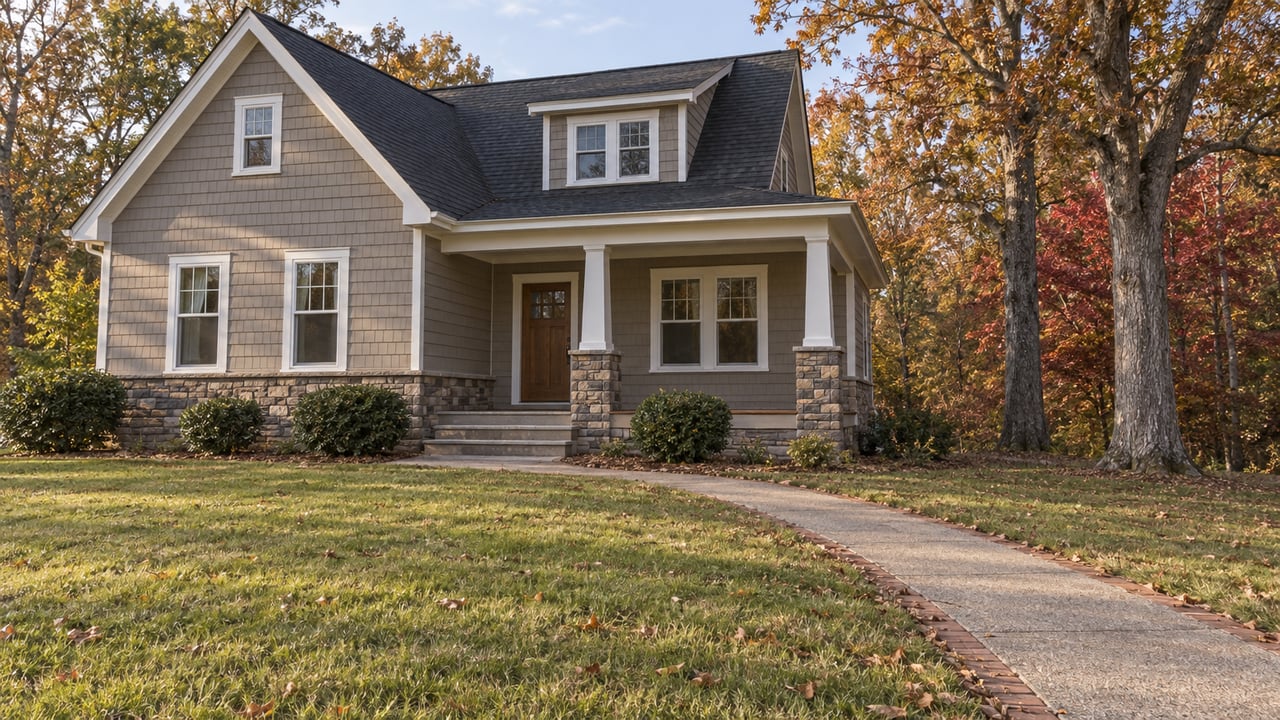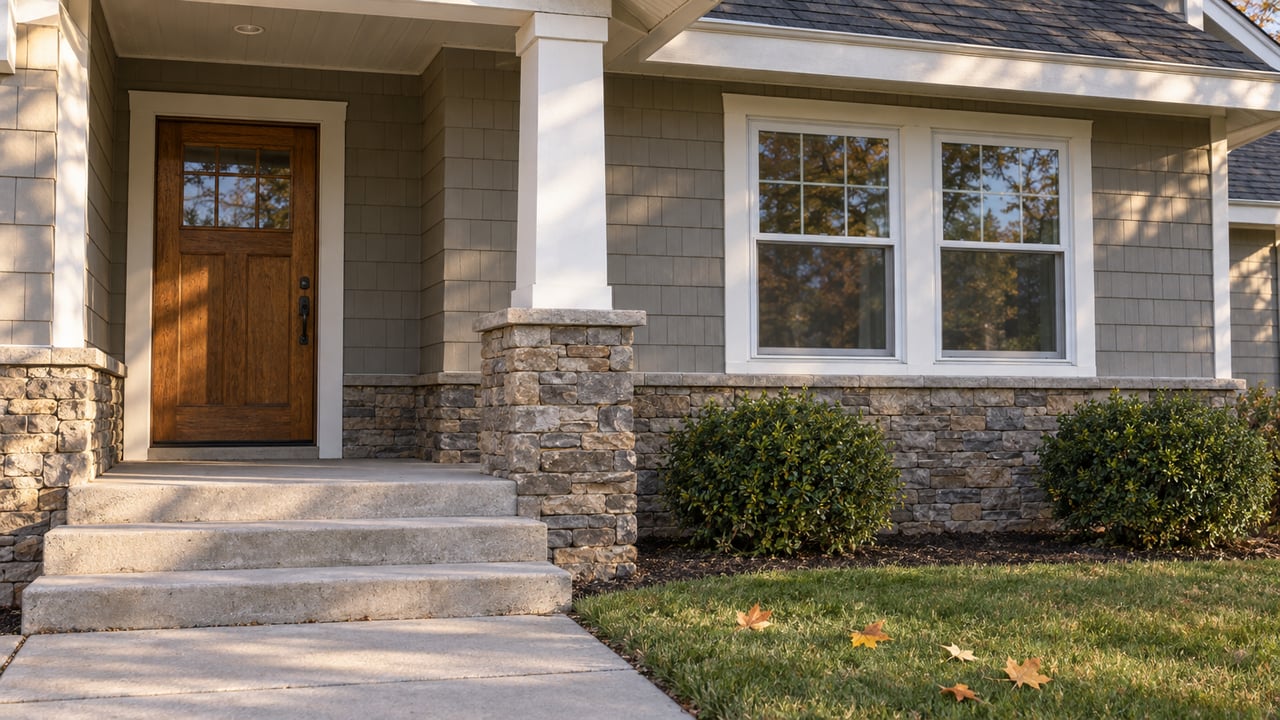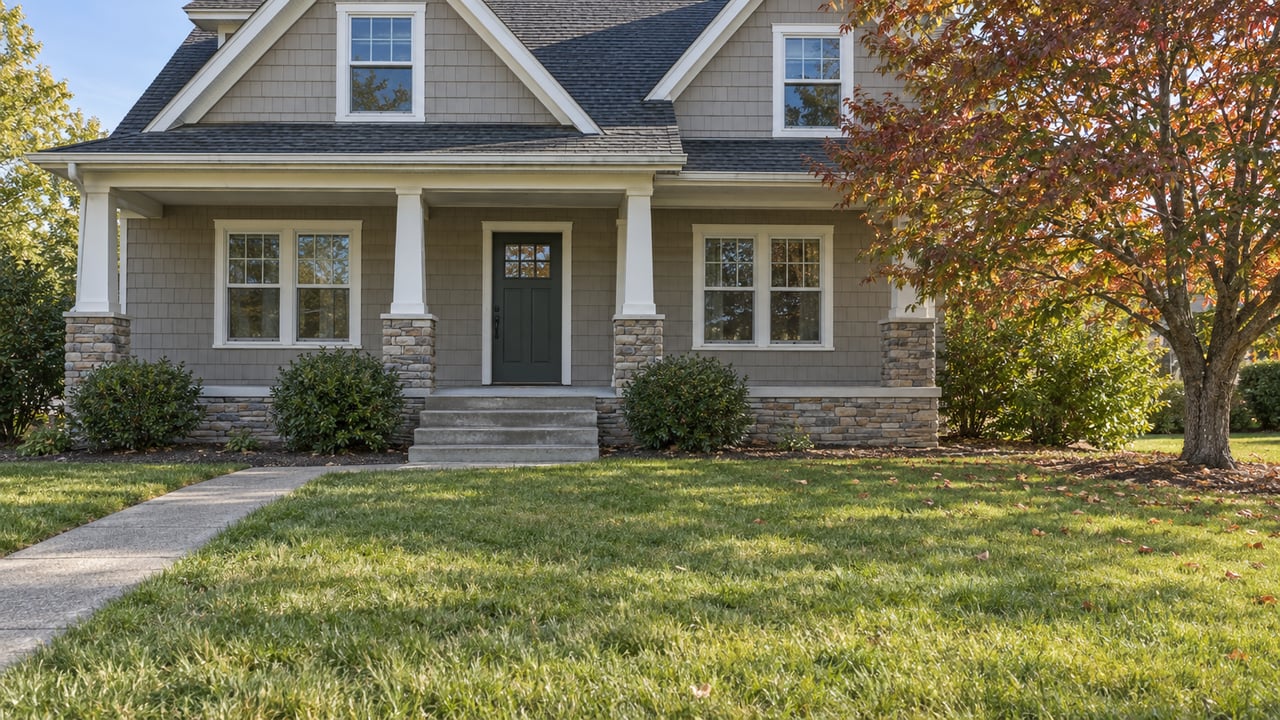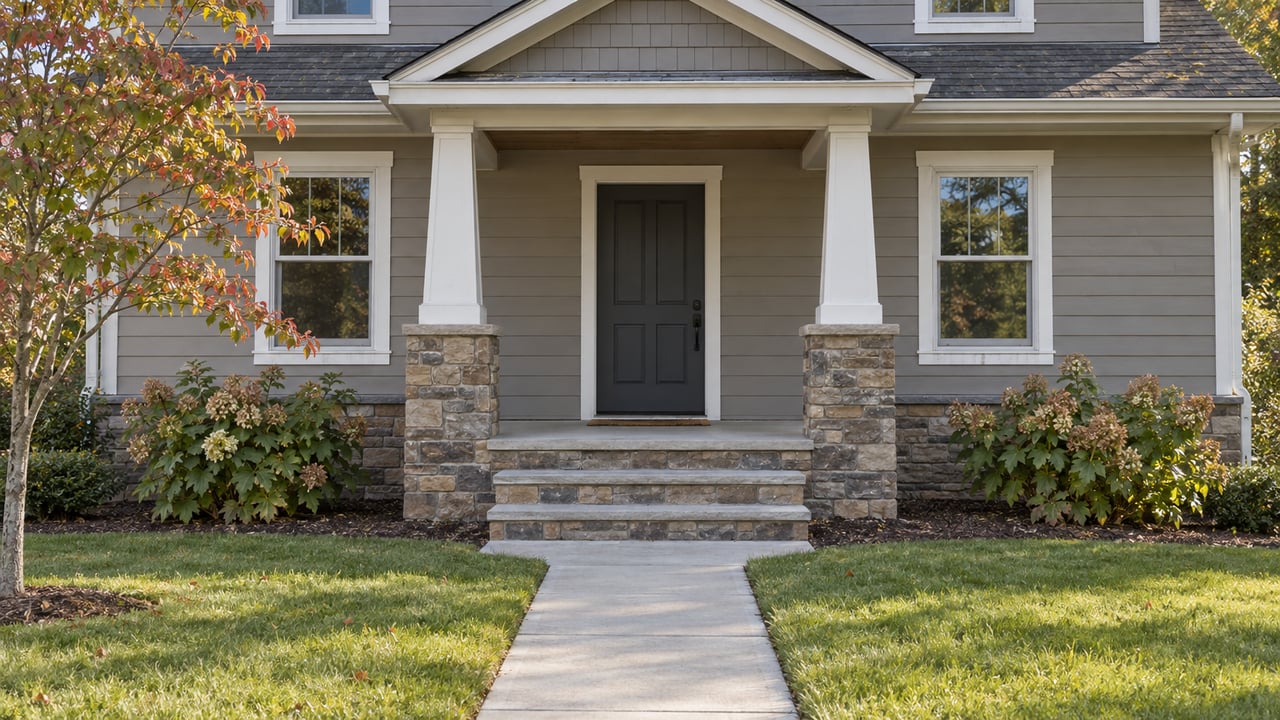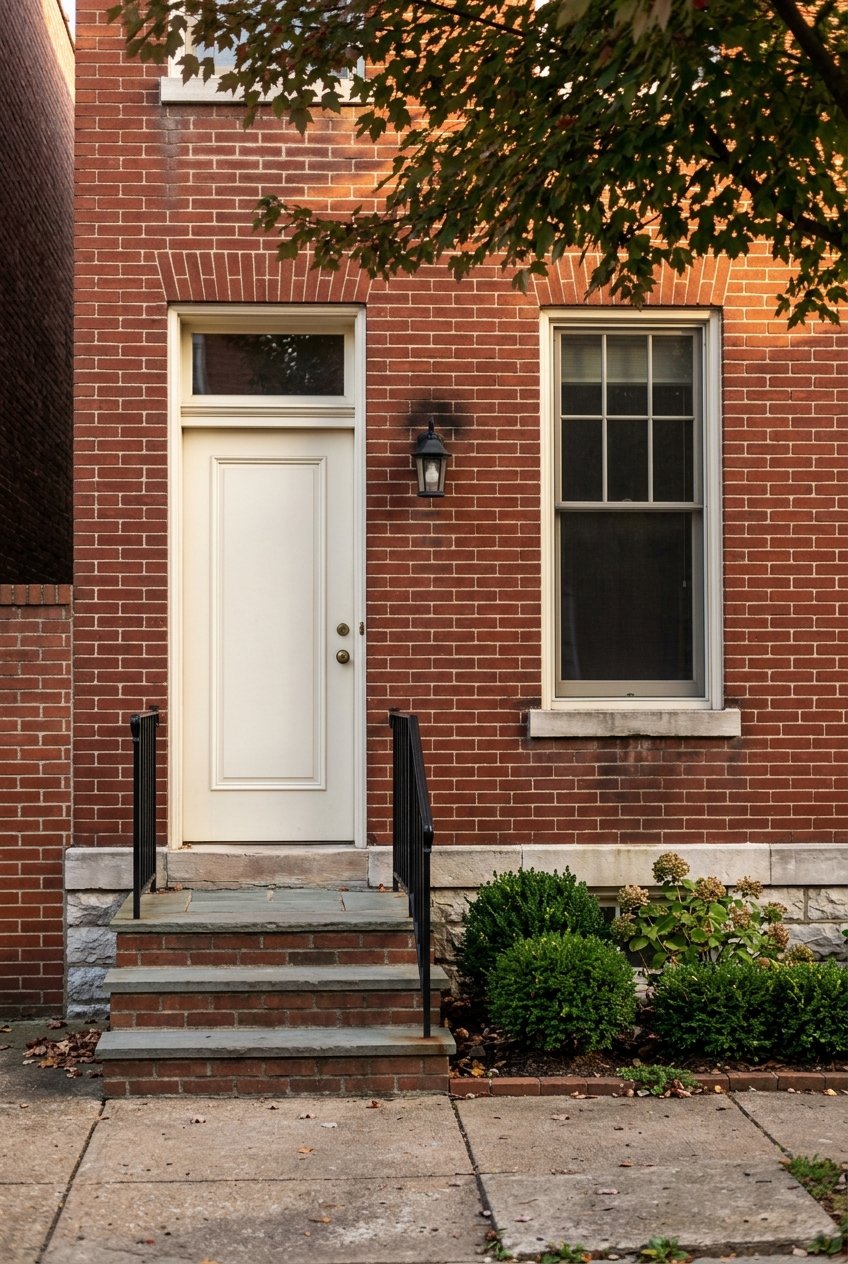
Wondering whether a historic Martinsburg home or a newer community is the better fit for your next move? It is a common question, especially when you want the right mix of character, convenience, budget, and long-term upkeep. In Martinsburg, both options offer real advantages, and the best choice usually comes down to how you want to live day to day. Let’s break down what each path can offer so you can move forward with more confidence.
Martinsburg offers two distinct paths
Martinsburg sits at the center of Berkeley County’s growth and services. The county’s current comprehensive plan identifies the city as the primary Town Center and Urban Core, with continued growth tied to annexation and access to public water. That means you can see two housing stories at once: established historic areas near the core and newer development patterns in growth areas.
For many buyers, the real decision is not just old versus new. It is whether you want architectural individuality and a downtown-adjacent setting, or a more standardized layout with newer systems and a more predictable maintenance profile. Both can work well, depending on your goals.
What defines historic Martinsburg homes
Historic Martinsburg homes are closely tied to the city’s development as a civic, commercial, and railroad center. The Downtown Martinsburg Historic District is the city’s largest and most comprehensive historic district, with architecture tied to Gothic, Italianate, and Queen Anne styles. The area reflects the city’s long connection to commerce, government, education, religion, and industry.
Other historic areas add even more variety. Boyd Avenue Historic District, just north of downtown, includes 80 residences on elongated lots and shows a dense residential pattern with homes from the 1880s through the 1950s. Styles in that district include Colonial Revival, Bungalow, Cape Cod, and American Foursquare.
East Martinsburg Historic District reflects the city’s 19th-century railroad growth. It is shaped by the B&O rail corridor and nearby streets, and it sits near the Baltimore and Ohio Railroad Martinsburg Shops, a National Historic Landmark recognized for its industrial engineering and architecture.
Why buyers are drawn to older homes
If you love homes with personality, historic neighborhoods can be very appealing. These areas often offer more distinctive architecture, tighter street patterns, and closer access to the downtown core and central services. You may also find lot layouts and streetscapes that feel very different from newer subdivisions.
Historic homes can appeal to buyers who want a property that feels rooted in Martinsburg’s past. Instead of a more uniform look, you may see varied rooflines, older brickwork, porches, mature streetscapes, and house-to-house design differences. For some buyers, that sense of place matters as much as square footage.
What to expect with historic-home ownership
Older homes usually ask more of you after closing. Martinsburg’s city housing plan says 35% of owner-occupied units were built before 1950, which means many buyers in older parts of the city may be purchasing homes with aging materials or systems. That does not make them a poor choice, but it does mean you should go in with a practical plan.
Exterior changes in historic districts may also involve more oversight under West Virginia’s historic-district review law. If you are the kind of buyer who wants to freely change windows, siding, or visible exterior details right away, that is something to understand early. Review and planning matter more in these areas.
Lead exposure is another key factor. Martinsburg’s housing plan flags lead-based-paint hazard risk in 65% of owner-occupied units and 65% of renter-occupied units, and homes built before 1978 are more likely to contain lead-based paint. If you are considering an older home, inspections, lead-safe renovation planning, and a larger maintenance reserve are smart parts of the decision.
What defines newer Martinsburg communities
Newer communities in the Martinsburg area generally reflect Berkeley County’s planned growth pattern. The county describes growth areas as having family housing on smaller lots, including single-family detached homes, townhomes, garden-style apartments, and other higher-density housing. These areas are served, or planned to be served, by public water and sewer.
The county also describes many of these places as automobile-oriented, though they often include sidewalks and recreational facilities. In some planned communities, residential and commercial uses may be mixed, and some developments may provide their own supporting infrastructure for water, wastewater, and transportation.
Current planning activity shows how this plays out on the ground. Recent Martinsburg-area proposals included 81 single-family attached lots on 17.9 acres and another project with two multifamily buildings totaling 60 units on 2.73 acres. Both were planned with public water and sewer service.
Why buyers choose newer communities
For many buyers, newer construction feels simpler. Homes in newer communities often come with newer utility systems, more standardized floor plans, and less immediate renovation exposure. If your priority is a more turnkey move, that can be a major advantage.
Newer communities can also make it easier to predict routine ownership costs in the near term. While every home still needs maintenance, you may be less likely to face the same level of early repair planning that often comes with pre-1950 or pre-1978 housing. That can make budgeting feel more straightforward.
Another factor is layout consistency. If you like knowing what to expect from streets, lot sizes, and home designs, newer neighborhoods may feel more comfortable. The tradeoff is that you may give up some of the lot individuality and historic character found in older Martinsburg neighborhoods.
Historic homes versus newer communities
Here is a simple side-by-side look at how many buyers compare the two options.
| Feature | Historic Martinsburg Homes | Newer Martinsburg Communities |
|---|---|---|
| Setting | Often near downtown core and central services | Often in designated growth areas |
| Architecture | More distinctive and varied | More standardized and consistent |
| Lot pattern | Dense streetscapes, some elongated lots | Smaller-lot planning, often higher density |
| Systems | Older homes may need more updates | Newer utility systems are more common |
| Maintenance | Higher likelihood of upkeep and renovation planning | More predictable near-term maintenance |
| Exterior changes | May involve added review in historic districts | Typically fewer historic-design constraints |
How budget fits into the decision
Price matters, but so does where your money goes after closing. Martinsburg’s median owner-occupied home value is $240,000, which gives you a useful local benchmark as you compare options. In many cases, the better question is whether you would rather spend more on character and upkeep or on a newer, more turnkey setting.
A historic home may ask for more reserve funds for repairs, updates, or lead-safe renovation work. A newer home may reduce some of that short-term pressure, but buyers still need to weigh lot size, layout, and location preferences. Your monthly payment is only part of the picture.
Questions to ask before you choose
When you tour homes in Martinsburg, try to compare them through your own daily priorities. A beautiful historic property may win you over emotionally, but it should also fit your comfort level for maintenance and planning. A newer home may feel easy and efficient, but it still needs to match how you want to live.
Ask yourself:
- Do you want architectural character or a more uniform design?
- Would you enjoy living near the downtown core?
- Are you comfortable budgeting for repairs and ongoing upkeep?
- Do you want newer systems and fewer immediate renovation concerns?
- How important are lot shape, privacy, and neighborhood layout to you?
- Would a smaller-lot, growth-area setting fit your lifestyle better?
The best fit depends on your priorities
Choose historic if you are drawn to architectural character, a downtown-adjacent setting, and a neighborhood fabric shaped by Martinsburg’s rail and civic history. Choose newer if you want public-utility convenience, smaller-lot planning, and a more predictable maintenance profile. Neither choice is automatically better. The right one is the one that supports your budget, your tolerance for upkeep, and the kind of home experience you want.
If you are comparing homes in Martinsburg and want local guidance that matches your goals, Kesecker Realty, Inc. is here to help you sort through the options with clear, practical advice.
FAQs
What is the main difference between historic Martinsburg homes and newer communities?
- Historic Martinsburg homes usually offer more architectural variety, denser older street patterns, and locations closer to the downtown core, while newer communities often offer more standardized homes, newer systems, and a more predictable maintenance profile.
What should buyers know about maintenance in older Martinsburg homes?
- Buyers should expect a greater chance of repairs, inspections, lead-safe renovation planning, and a larger maintenance reserve, especially in homes built before 1950 or before 1978.
What are newer communities in the Martinsburg area like?
- Newer communities in the Martinsburg area are generally built in Berkeley County growth areas with smaller lots, public water and sewer service, and housing types that can include single-family homes, townhomes, and multifamily buildings.
Are historic districts in Martinsburg subject to extra exterior-review rules?
- Yes. Historic neighborhoods can involve more oversight for exterior changes under West Virginia’s historic-district review law, so buyers should understand those requirements before planning updates.
How can you decide between an older home and a newer Martinsburg property?
- A good starting point is to compare your priorities around character, location, upkeep, utility systems, lot layout, and budget, then weigh which option best fits how you want to live day to day.