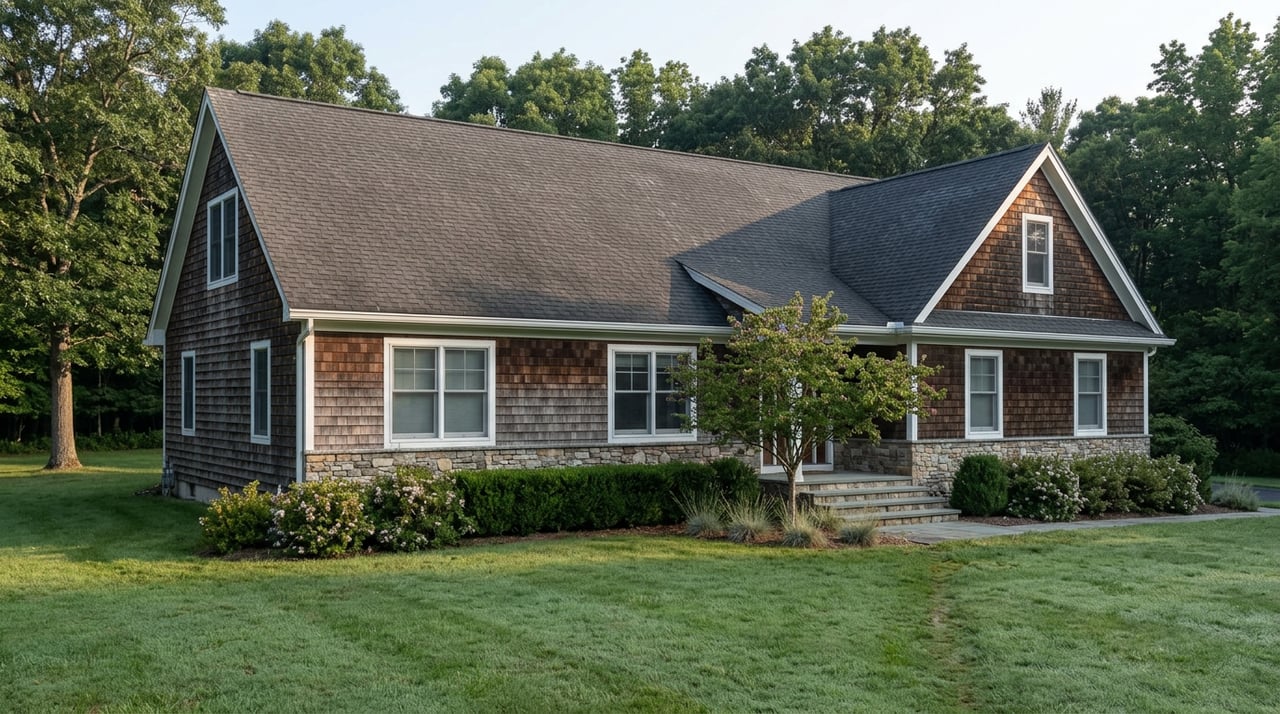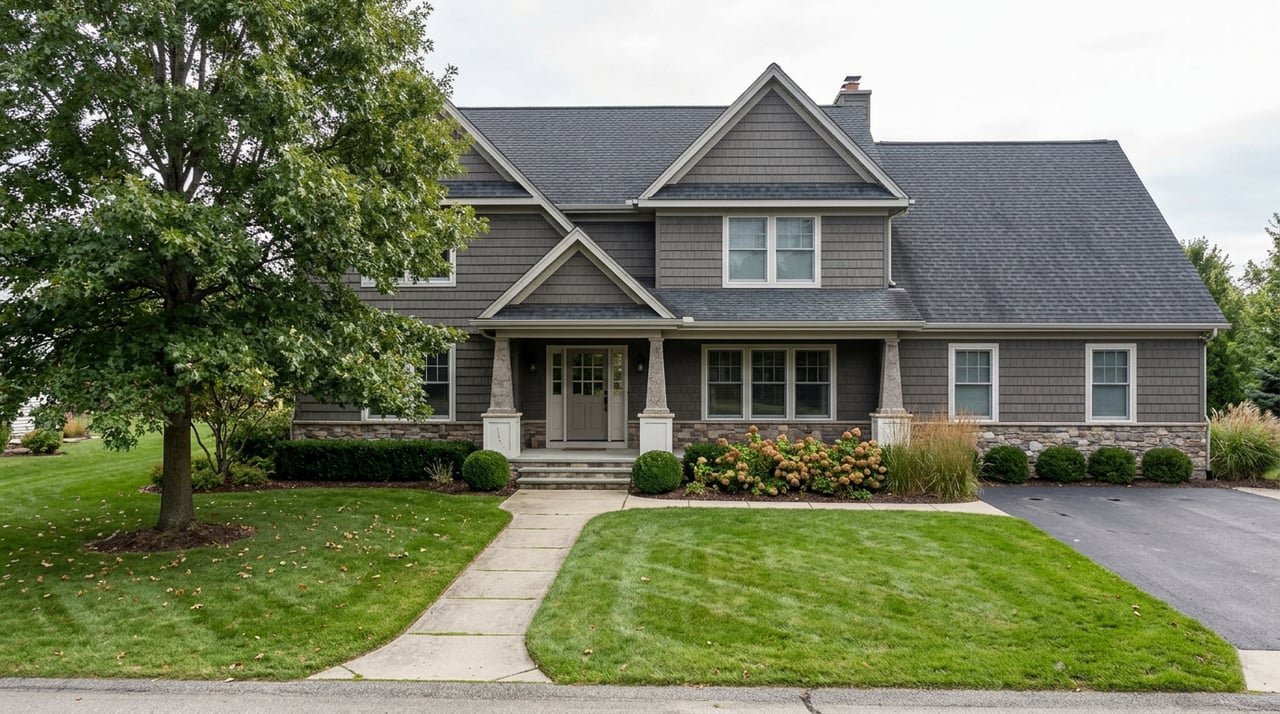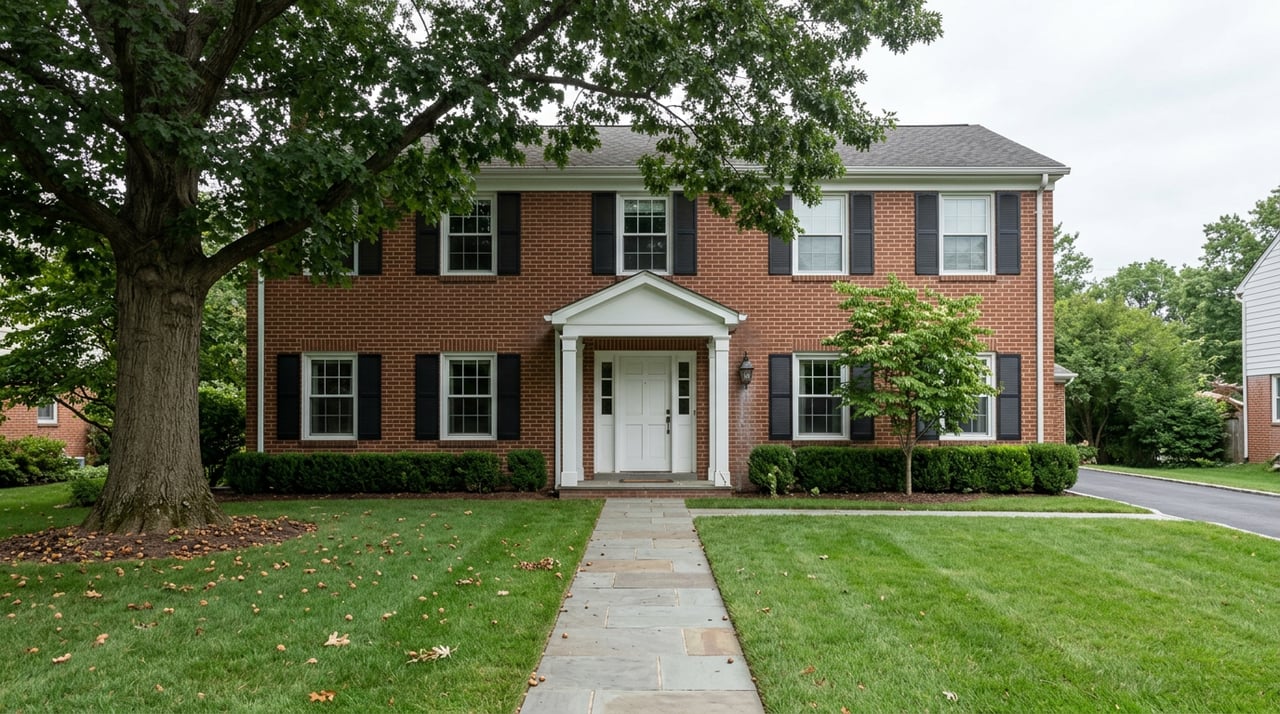
A buyer touring a home in Falling Waters this fall might hear the phrase "close to the MARC" more than once. It shows up in listing descriptions, in conversations about resale value, in the mental math people do when they're comparing a West Virginia address to a longer slog on I-270. The phrase suggests something specific: a walk to a platform, a train that runs often enough to plan a life around, a fixed amenity you're buying alongside the house.
None of that describes what's actually eight miles down the road.
The Station Isn't in Falling Waters
There is no MARC stop in Falling Waters. The nearest one is Martinsburg's Caperton Station, and the drive between the two towns runs roughly 8 to 9 miles, based on the halfway point sitting about 4.2 miles from each. That's not a deal breaker for most commuters, but it changes what "commuter access" is actually selling. You're not buying proximity to a train. You're buying proximity to a town that has one.
The station itself is worth knowing, because it's not a modern park-and-ride shed. Caperton Station is a restored 1848-1876 railroad hotel, one of the oldest surviving railroad stations in the country, and a contributing property to the Baltimore and Ohio Historic District. It's a handsome building with a real past. It was also never designed around the volume of parking a commuter suburb would expect.
Three Trains a Day, Not a Transit System
The Brunswick Line runs nine round trips a day in each direction between Washington and points west. Only three of those, in each direction, actually reach Martinsburg. The rest terminate at Brunswick or serve the Frederick branch. For a Falling Waters buyer picturing something like a subway schedule, that's the first correction: you're choosing from a handful of departure windows, not stepping onto a train whenever your morning happens to start.
The schedule also isn't static. A revision effective September 28, 2026 shifted several Brunswick Line departure times by 10 to 25 minutes and added new intermediate stops. None of the changes eliminated Martinsburg service, but they're a reminder that the timetable a buyer sees in a listing this month may not be the timetable a year from now. This is a subsidized commuter line running on freight-owned track, not a fixed piece of infrastructure like a highway exit.
Parking Is a City Permit, Not a Garage
Here's where the marketed convenience runs into the most practical friction. Commuter parking at Caperton Station is city-owned and sold through Martinsburg's Parking Division as a monthly permit, currently $20 a month, for use in the adjacent lot. If the lot fills, permit holders are redirected to metered street spaces instead. There is no multi-level garage, no guaranteed spot, no first-come infrastructure built at suburban Maryland scale. It's a small historic-district lot with an overflow plan built around parking meters.
For a buyer who has lived near a real commuter rail suburb, that's a different system entirely. It's manageable. Plenty of Eastern Panhandle residents make it work every week. But it's not the amenity implied by "walking distance to the train" language, because nobody in Falling Waters is walking to this station, and the parking behind it isn't designed for a full subdivision's worth of daily riders.
The Line West Virginia Almost Lost
The deeper issue for anyone weighing MARC access as a long-term value driver isn't the schedule or the parking lot. It's that this service exists because two states keep agreeing to pay for it, and that agreement has broken down before.
In 2019, Maryland told West Virginia it would need to contribute $3.2 to $3.4 million annually to keep the current level of Brunswick Line service running into the Eastern Panhandle. When the West Virginia legislature initially appropriated only $1.2 million toward that ask, Maryland's transit authority moved to cut back all but two of the six daily trains reaching West Virginia's three stations, which at the time were carrying around 250 riders a day. A public hearing in Charles Town drew an overflow crowd opposing the cuts.
The service survived, but only because West Virginia patched together funding from four different places at once: $1.1 million from the governor's contingency fund, the legislature's $1.2 million appropriation, $750,000 from the state auditor's office, and $300,000 pooled from Eastern Panhandle counties and municipalities. That's not the profile of a permanent transit line. That's the profile of an arrangement that gets renegotiated, and that has come close to unraveling at least once already.
None of this means the train is going away tomorrow. Service into Martinsburg is still running as of this fall. But a buyer treating "MARC access" as a fixed feature of the property, the way you'd treat a school district boundary or a paved road, is pricing in a stability the arrangement hasn't historically had.
What This Means If You're Weighing Falling Waters
For someone comparing Falling Waters to Martinsburg proper, or to a Maryland commuter suburb closer to the platform, the honest framing is this: the train is a genuine convenience for the handful of daily commuters whose schedule lines up with one of the three Martinsburg round trips, and it's a much smaller factor than the driving commute for almost everyone else. Falling Waters sits within range of Hagerstown, Frederick, and the wider D.C. metro area by car, and that road commute is the more dependable variable in the equation. The MARC line is a bonus, worth knowing about, not worth building a home-buying decision around as if it were guaranteed infrastructure.
If rail access matters to a buyer's daily routine, the more useful question isn't "is this house near the train." It's "what's the actual door-to-platform time, and what happens to my plans if the state funding conversation goes sideways again." Those are different questions, and only one of them shows up in a listing description.
| What you might assume | What's actually true |
|---|---|
| Falling Waters has its own MARC stop | Nearest station is Caperton Station in Martinsburg, roughly 8 to 9 miles away |
| Trains run on a frequent commuter schedule | Only 3 of 9 daily round trips reach Martinsburg |
| Station parking is ample and free | It's a city permit lot at $20/month, with overflow to metered street spaces |
| Rail service is a permanent fixture | The WV portion runs on annually negotiated funding that nearly lapsed in 2019 |
A Few Questions Worth Asking Before You Assume
Does every Brunswick Line train stop in Martinsburg? No. Nine round trips run daily, but only three in each direction serve Martinsburg. The rest terminate at Brunswick or branch off toward Frederick.
Is there guaranteed parking at the Martinsburg station? Not guaranteed. The city sells monthly permits for the adjacent lot, and when it fills, permit holders use metered street parking instead.
Could WV lose MARC service again? It's not likely in the immediate term, but the funding is negotiated between West Virginia and Maryland, not fixed. In 2019, the arrangement nearly collapsed to a single daily round trip before a multi-source rescue package kept current service running.
Falling Waters still has a lot going for a buyer weighing commute logistics against space, price, and pace of life. It just deserves an honest accounting of what the train actually offers, rather than the shorthand version that shows up in a listing description. If you're comparing Falling Waters against other Eastern Panhandle towns and want the real math on commute times, parking, and what a specific property is actually near, Kesecker Realty, Inc. can walk you through it property by property. Contact a local agent today.