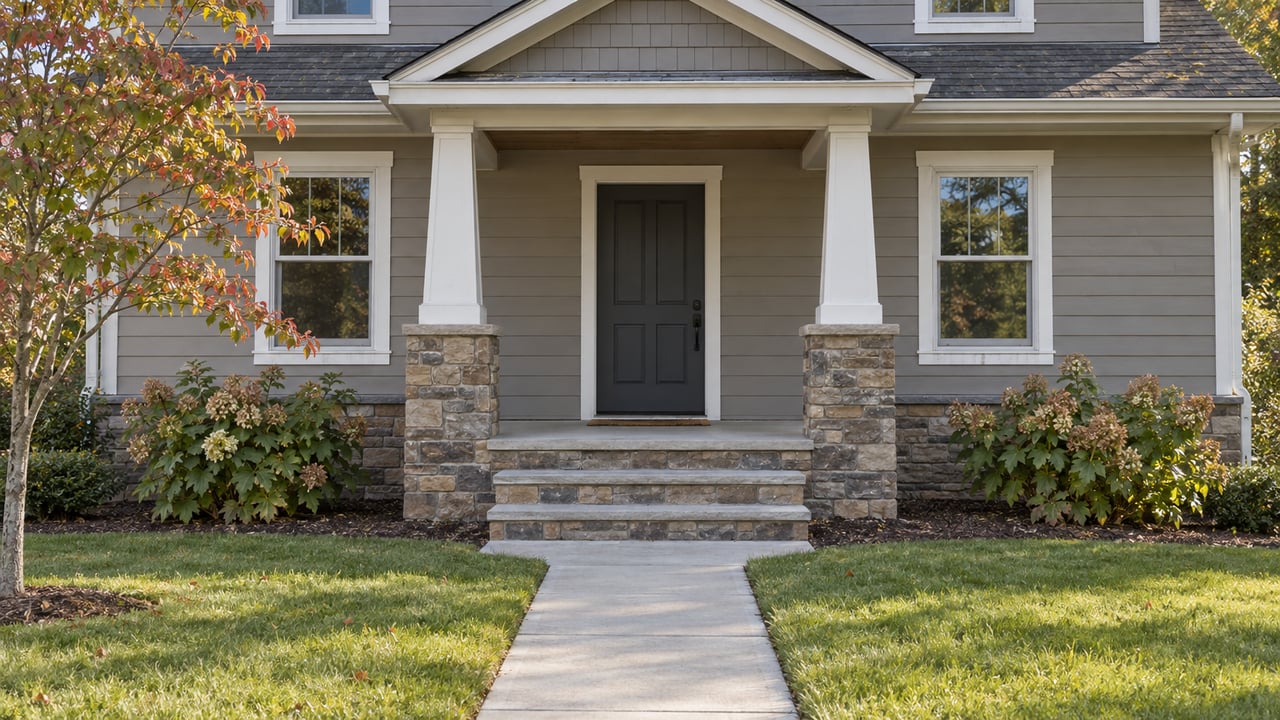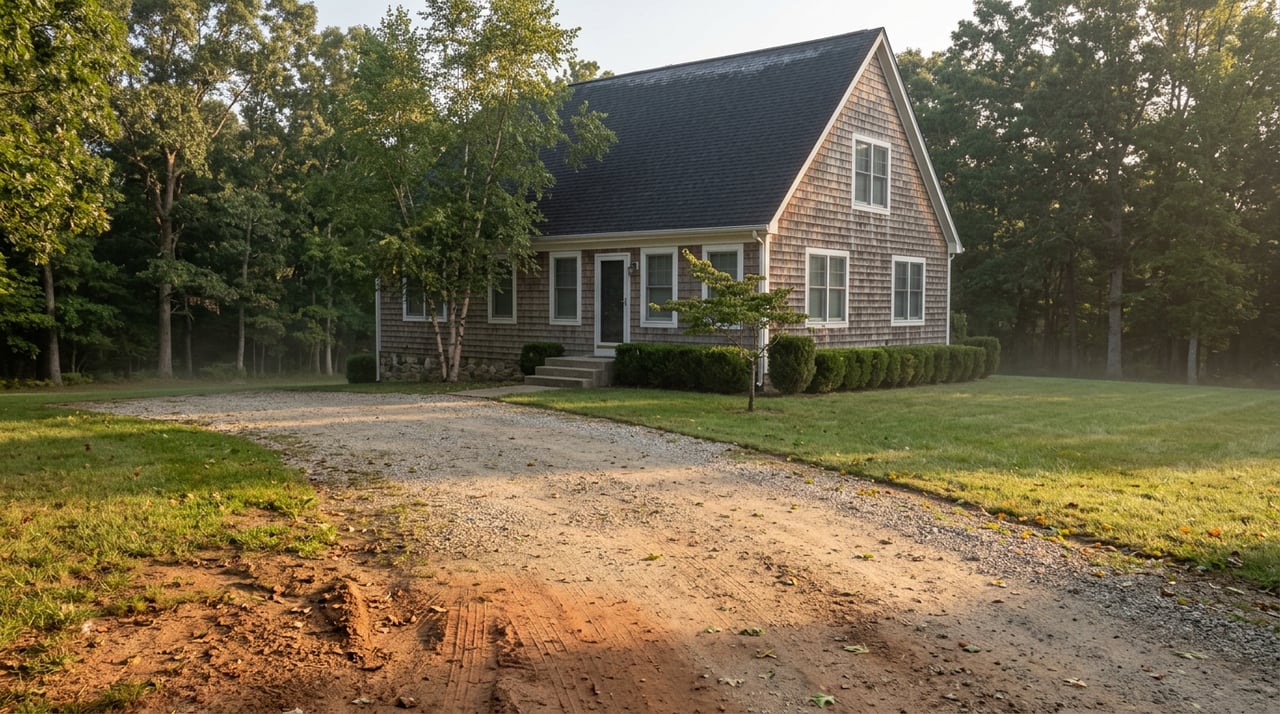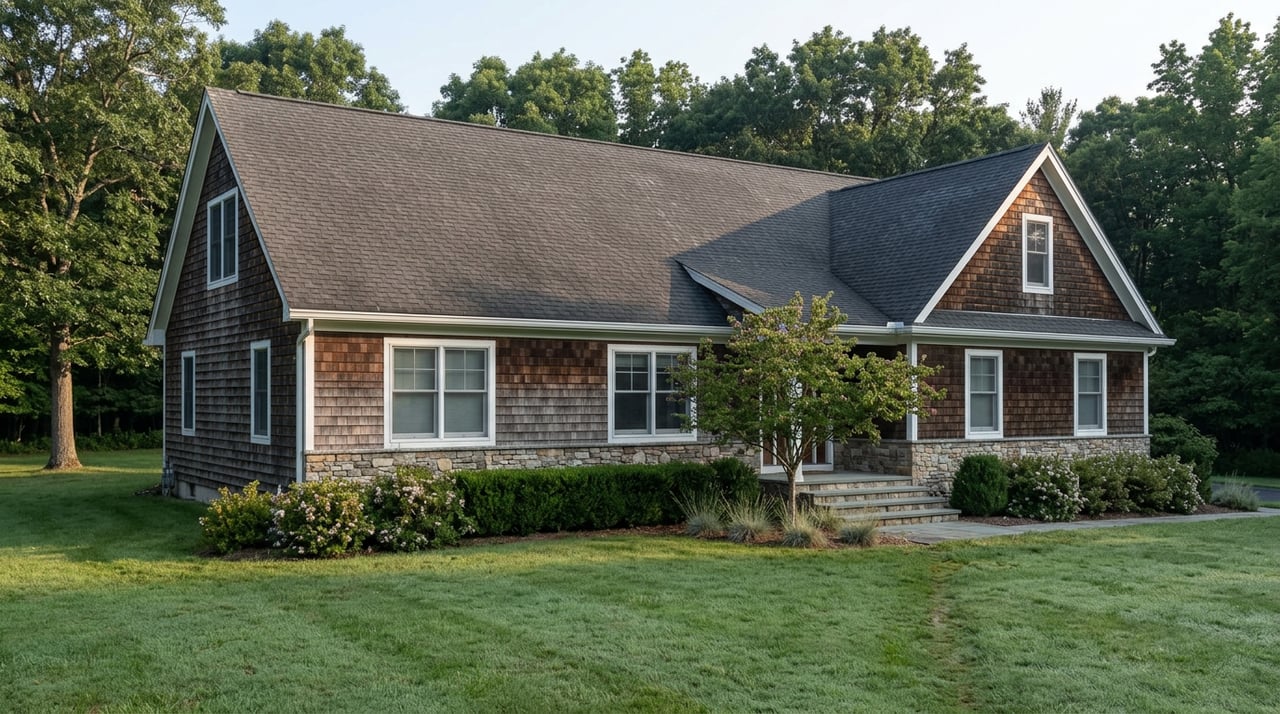
Pull up a data profile for Great Cacapon and one number tends to stop people cold: the vacancy rate sits above 40 percent, a figure higher than nearly 98 percent of neighborhoods in the country. If you're comparing this stretch of Morgan County to Hedgesville or Falling Waters, that stat reads like a warning label. Empty houses. Weak demand. A town nobody wants to live in full time.
None of that is true, and the actual explanation says more about how to buy or sell here than the raw number ever could. Great Cacapon isn't emptying out. It's built around a housing stock that was never meant to be occupied every week of the year, and once you see which specific communities are driving that number, the rest of the market data (the swinging median prices, the fast-moving listings, the short-term rental math) starts to make a lot more sense.
What "Vacant" Actually Counts
Vacancy data doesn't distinguish between a house nobody wants and a house somebody owns but only visits on weekends. Both get counted the same way. A neighborhood profile tracking Great Cacapon puts the seasonally occupied share of housing at 35.6 percent, which is most of that headline vacancy figure right there. The same source is careful to note that a high vacancy reading in a vacation or second-home area reflects normal seasonal use, not abandonment or a weak market.
That distinction matters because Great Cacapon's housing stock was largely built for exactly that purpose. Walk through any batch of current listings and the language repeats itself: weekend getaway, full-time or part-time use, turnkey vacation rental. These aren't incidental phrases. They describe how a large share of this inventory was designed to function from the day it was built.
Two Communities Do Most of the Work
If you want to see where the vacancy number actually lives, look at two gated communities that between them account for a meaningful share of Great Cacapon's housing.
Coolfont Mountainside Association, founded in 1968, covers close to 400 acres and includes 146 properties, 121 of which have homes built on them. By the association's own account, only about a dozen people live there full time. Everyone else owns a vacation property, and some of those homes operate as short-term rentals.
River Ridge tells a similar story from a different angle. The community is divided into 187 lots along the Cacapon River, and its homeowners association runs a gate protocol tied directly to river conditions: when a NOAA gauge near Great Cacapon shows or anticipates a 9-foot water level, or when water covers Constant Run Road, the lower gate closes and residents use the upper entrance off Milo School Road instead. That's not the infrastructure of a neglected subdivision. It's the infrastructure of an association actively managing access for owners who come and go with the seasons.
A quick side-by-side makes the pattern obvious:
- Coolfont Mountainside: ~400 acres, 146 properties, 121 with homes, roughly a dozen full-time residents
- River Ridge: 187 lots, river-adjacent, HOA-managed seasonal gate access tied to a NOAA river gauge
Two communities, two very different physical settings, the same underlying structure. Owners who visit rather than live.
The Money Behind the Empty Houses
That structure isn't an accident. It pencils out.
Short-term rental data for Great Cacapon, drawn from a full year of listings between August 2025 and July 2026, shows average annual revenue of roughly $30,712 per property, built on a 40.5 percent occupancy rate and a $231 average nightly rate. Across the market's roughly 75 active listings, that occupancy figure lines up almost exactly with the seasonal-use share reported in the neighborhood data. A house that sits empty most weekdays and fills up on weekends and holiday weeks isn't underperforming. It's behaving exactly the way its owner intended, and exactly the way the vacancy statistic would predict.
This is the piece a portal-scrolling buyer usually misses. A vacancy rate this high in a town this small isn't a signal to avoid the market. It's a signal that a large share of the inventory is working inventory, just not working the way a primary-residence buyer expects a house to work.
Why the Median Doesn't Hold Together
Once you know the inventory is this mixed, the pricing data stops looking contradictory and starts looking explainable.
| Metric | Figure | Window |
|---|---|---|
| Median list price | $330,000 | August 2026, down 5% year over year |
| Median days on market | 46 days | August 2026, down 43% from a year earlier |
| Median sale price | $221,000 | Trailing three months through April 2026, down 15.9% year over year |
A list-price median around $330,000 and a sale-price median around $221,000 aren't measuring different moments in the same steady market. They're measuring different kinds of properties. Bare acreage, sub-1,200-square-foot chalets, and full homes inside gated river communities all get folded into one town-level number. A buyer comparing "the Great Cacapon median" to a more uniform neighborhood like Falling Waters is comparing a blended average of wildly different property types to a market where most listings look roughly alike.
The faster days-on-market figure fits the same story. When more of what's listed and selling is smaller, lower-cost seasonal or land inventory, it tends to move faster than a comparable stock of full-time single-family homes, which pulls the overall pace of the market forward even if any individual price tier is moving at its own speed.
What This Means If You're Comparing Neighborhoods
None of this means Great Cacapon is a market to avoid. It means the median is the wrong tool to lean on by itself. Before comparing a specific listing to a town-wide number, it helps to ask a few questions that a portal search bar won't answer for you:
- Is this a gated community like Coolfont Mountainside or River Ridge, with HOA-managed river access, or is it an unrestricted parcel with no association at all?
- Does the property carry deeded water frontage, shared community access, or no river access whatsoever? Each carries a different premium.
- Is the seller marketing this as a full-time residence, a weekend property, or a turnkey short-term rental, and does the asking price reflect existing rental income?
- Does the listing sit inside a flood-managed gate protocol, and has the community disclosed how that affects access during high water?
A buyer who asks these questions before comparing prices ends up with a real number to work from. A buyer who just checks the town median against a portal listing is comparing apples to a fruit basket.
FAQ
Does a high vacancy rate mean Great Cacapon homes are hard to sell? No. The vacancy figure mostly reflects seasonal and second-home use, not unsold or abandoned inventory. Days on market actually fell sharply in the most recent data, which points to demand, not stagnation.
Are homes in gated communities like Coolfont Mountainside or River Ridge open to full-time buyers? Yes. Both communities include full-time residents alongside their larger population of seasonal owners. The associations manage shared amenities like river access and seasonal gate protocols for everyone who owns there, whether they visit weekly or live there year-round.
Why did the median sale price drop so much compared to the median list price? The gap reflects the range of what's actually changing hands, from bare land and small cabins to full gated-community homes, rather than a single home type losing value. Comparing any specific listing to the blended median can be misleading without knowing which tier it falls into.
If you're weighing a purchase or sale in Great Cacapon, or trying to figure out how a specific property here compares to something in Berkeley Springs or along the river corridor, that's exactly the kind of local read a portal can't give you. Kesecker Realty, Inc. has been working this stretch of Morgan County long enough to know which gate a listing sits behind and what that actually means for its value. Contact a local agent today.