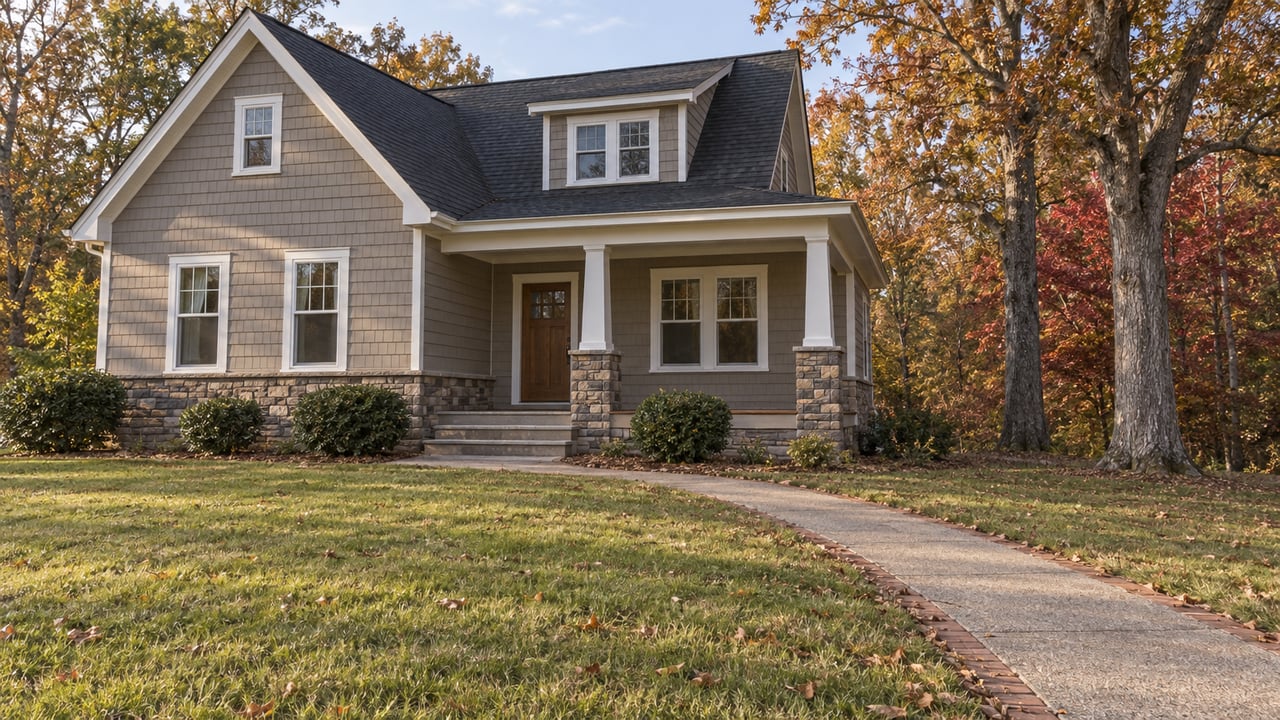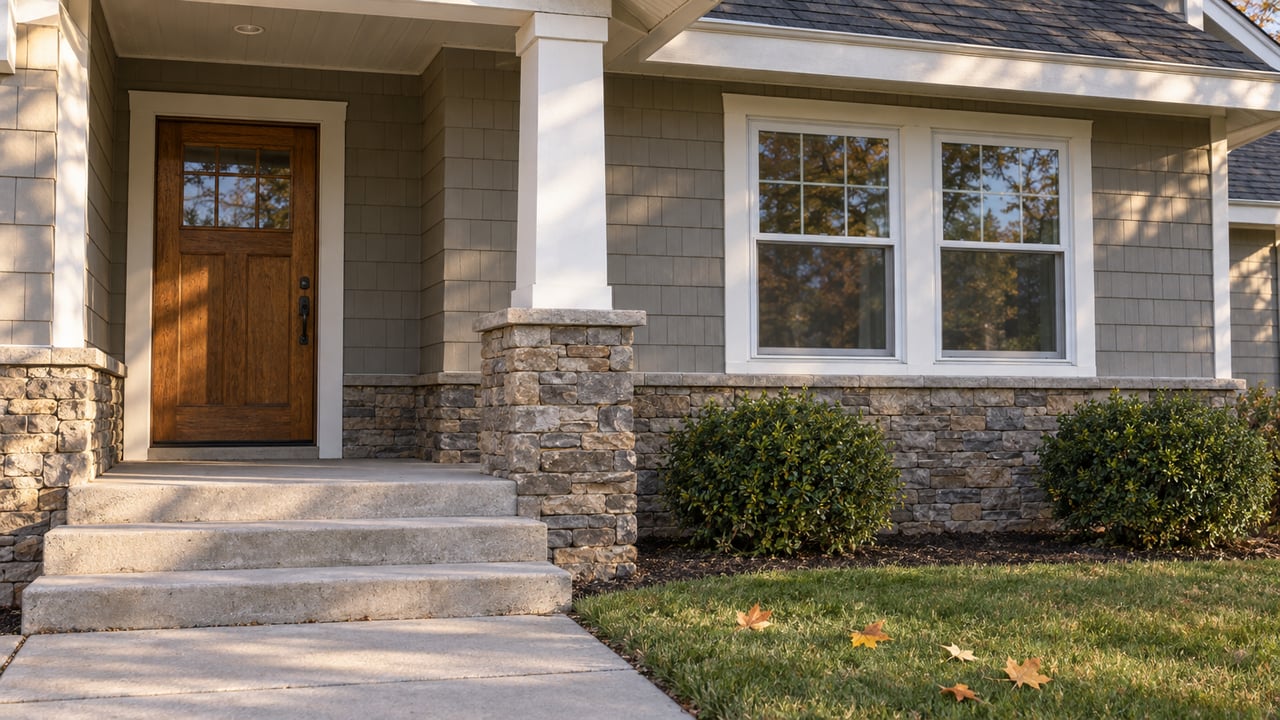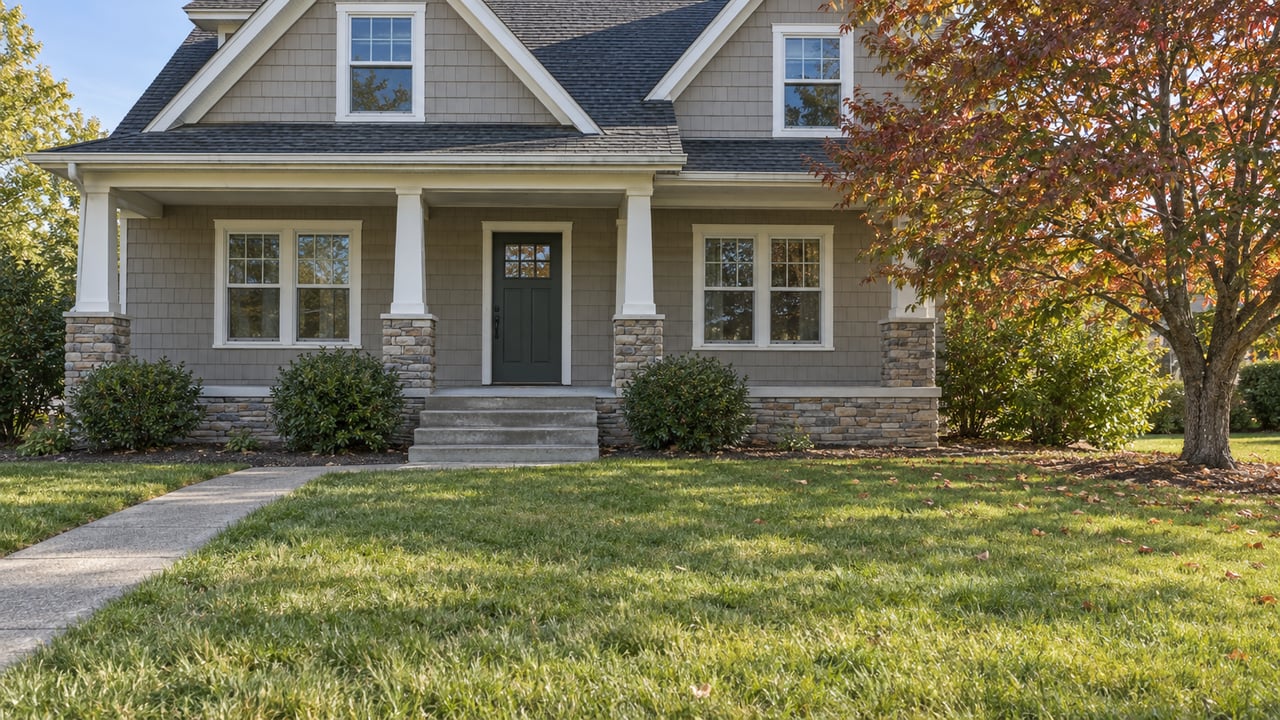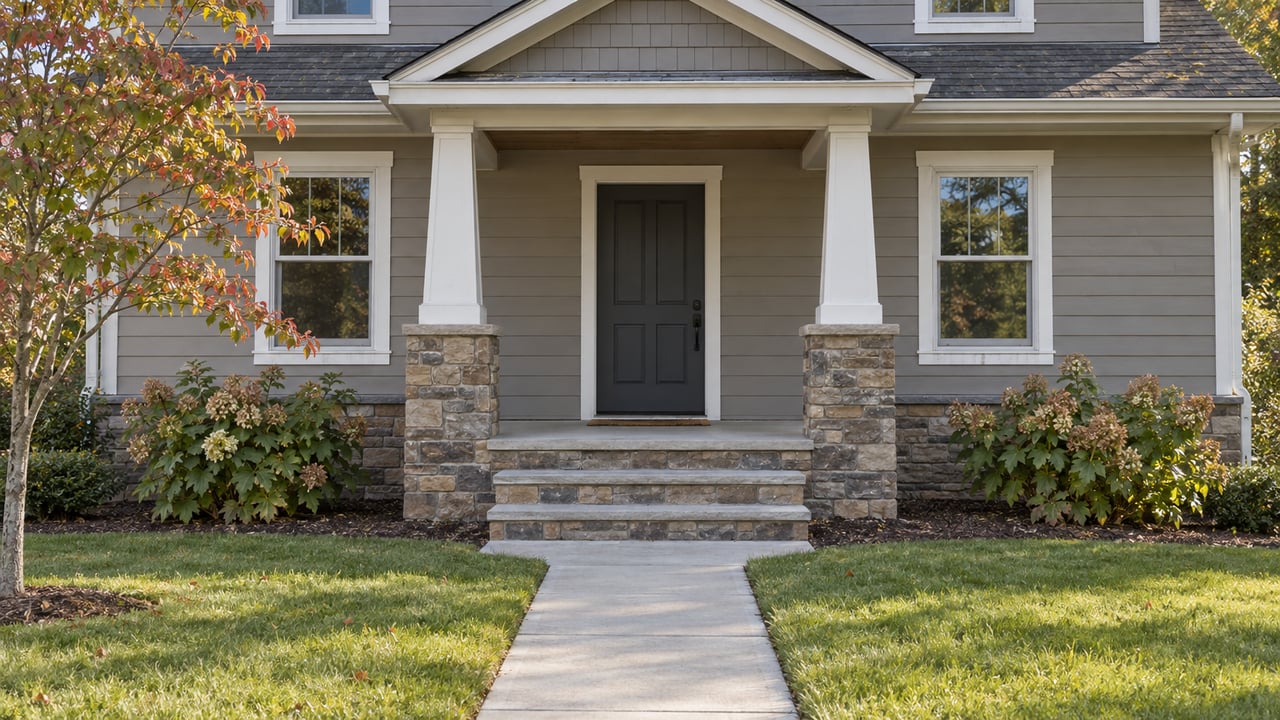
Thinking about buying in Hedgesville and torn between a brand‑new build and a resale home? You are not alone. Both paths can work well in ZIP 25427, but the best choice depends on your timeline, budget, and comfort with things like HOAs, inspections, and utilities. In this guide, you will compare costs, finishes, build timelines, inspections, rural lot considerations, and more, so you can move forward with clarity and confidence. Let’s dive in.
Hedgesville market at a glance
Hedgesville’s ZIP 25427 sits in the low to mid 300s for typical values. Recent snapshots show a ZIP‑level index near the mid $320,000s and median sale prices in the mid $330,000s for common home types. New communities and spec homes often market between about $300,000 and $450,000 for typical floorplans and lots. Always verify active prices and inventory before you tour or write an offer.
What you will see when searching in 25427:
- Production or new‑home communities with compact lots and modern finishes.
- Resale homes in established neighborhoods with mature landscaping.
- Rural parcels and acreage with well and septic or mixed utility access.
Data note: Market indicators referenced here reflect sources accessed through late 2025. Check current listings and recent sales for up‑to‑date numbers.
New construction: what to expect
Price and finishes
New construction in 25427 often lists in a similar mid $300,000 band as nearby resale homes of like size, but you typically get today’s energy code, up‑to‑date systems, and modern finishes in the base package. Regional builders publish current floorplans and pricing on community pages. For example, you can review representative plans and features at D.R. Horton’s Red Hill community.
Lot sizes and neighborhood character
Production subdivisions in the Hedgesville area commonly feature smaller lots, often around 0.15 to 0.25 acre, with sidewalks and planned streets. Semi‑custom and custom options in places like the Back Creek Valley and The Woods tend to sit on larger lots, often 0.5 to 2 or more acres. If privacy or room for outbuildings matters to you, make lot size a top filter and review plats before you commit.
HOAs, covenants, and fees
Many new communities include a homeowners association. HOA dues in the area are often modest and typically cover things like common‑area upkeep, snow removal on private roads, and limited amenities. Before you sign, review the full CC&Rs, budget, reserve study, meeting minutes, and any pending special assessments. For general homeowner association guidance in West Virginia, see resources from the West Virginia Organization of Homeowners Associations.
Builder warranties and post‑close protection
Most builders provide a written warranty that follows a common pattern: one year for workmanship, two years for systems distribution, and 10 years for structural coverage. Policies vary by builder and are often administered by third parties. It is wise to request the full warranty packet, the administrator’s name, and the claims process before you sign. To understand typical “1‑2‑10” coverage, review the industry summary at 2‑10 Home Buyers Warranty. Also plan an 11‑month warranty walk‑through so you can create a punch list while you are still within coverage.
Timeline and financing options
From contract to move‑in, a production or spec home often takes roughly 6 to 12 months, depending on weather, permitting, utility connections, and supply chain. Custom builds or larger rural lots can take longer. On the finance side, you may use a standard mortgage on a move‑in‑ready spec or a construction‑to‑permanent loan if you build from the ground up. The Consumer Financial Protection Bureau explains construction loan basics, including draw schedules and disclosures. Ask your lender about single‑close construction‑to‑perm options and a contingency reserve for change orders.
Inspections still matter on new builds
Do not skip inspections just because the home is new. Independent, third‑party phase inspections at pre‑drywall and pre‑final can reveal issues with electrical, HVAC commissioning, flashing, grading, and rough plumbing. Staged inspections reduce risk and help you document repairs with the builder. For a practical overview of why new homes benefit from inspections, see this inspection guidance.
Confirm these items with the sales team
Before you sign a builder contract, verify in writing:
- What is included in the base price versus upgrades and premiums.
- The timeline with milestones and the process for delays.
- Who is responsible for permits and any impact fees.
- The warranty terms and claims contact.
- Whether the property will connect to a public water line or require a private well and septic.
- HOA documents and rules if applicable.
You can verify county permitting requirements through Berkeley County Building Permits & Inspections. For water service context and current extension projects, see this county update on the Berkeley County Public Service Water District.
Resale homes: pros, tradeoffs, and tactics
Why buyers choose resale
Resales often allow immediate move‑in. You can see the neighborhood fully built out, with established trees and roads. Pricing can be competitive with new builds on a per‑square‑foot basis. Tradeoffs often include older roofs or HVAC, past water leaks or grading issues, and code updates you may want for safety and efficiency.
Inspections and disclosures to expect
A standard home inspection typically covers the roof, foundation, electrical, plumbing, and HVAC. If a home was built before 1978, federal rules require a lead‑based paint disclosure, and buyers commonly receive a 10‑day window to test if they choose. You can read more about that law here: Residential Lead‑Based Paint Hazard Reduction Act. Based on age and location, many buyers also order targeted tests such as radon, sewer camera scopes, or well water sampling.
Negotiation levers that work
Inspection findings, aging systems, and known deferred maintenance are key areas for negotiation on price or repairs. Some sellers offer a one‑year third‑party home warranty for added peace of mind. Always review warranty terms closely, including coverage limits and service fees, so you know what to expect after closing.
Rural and acreage: what to know in 25427
Lot sizes and utilities
Rural parcels in the Hedgesville area range from about half an acre to multiple acres. Many rural sites require a private well and septic system. Listings may state “perc approved” or “public water available,” but you should always confirm those claims with the county and utility provider and request the supporting paperwork. If the nearest water main is not at the property line, ask for connection requirements and estimated costs in writing.
Access and additional costs
When comparing a rural build to a house in a subdivision, plan for private driveway installation and maintenance, snow removal, possible utility extensions, and longer commute times. Insurance needs can differ for rural properties as well. Factor these recurring and upfront items into your budget when you compare total cost of ownership.
Permits and tests first, then offers
For rural purchases, verify septic suitability and permit history, well yield and water quality, any easements, and the condition of access roads before you close. Check with Berkeley County Building Permits & Inspections for onsite sewage and building requirements. When in doubt, build extra time into your contract to complete site evaluations and confirm permits.
Which path fits you best
Here are three common buyer profiles in 25427 and how each option stacks up.
You need to move soon
- Best fit: Resale or a move‑in‑ready spec home.
- Why: Immediate availability and fewer construction variables.
- Watch for: Inspection findings, system ages, and any financing or appraisal conditions.
You want new finishes and low maintenance
- Best fit: Production new construction in a planned community.
- Why: Modern layouts, energy updates, and builder warranties.
- Watch for: HOA rules and dues, upgrade pricing, and the build timeline.
You want acreage and privacy
- Best fit: Rural resale on multiple acres or a custom build on a large lot.
- Why: Space for outbuildings and privacy-friendly siting.
- Watch for: Well and septic permits, access and easements, and budget for site work.
Buyer checklist for 25427
Use this short list to stay organized:
- Get the builder or seller’s written warranty packet and the claims contact. See typical coverage described by 2‑10 Home Buyers Warranty.
- Confirm utilities early. Ask whether the property is on Berkeley County Public Service water or will require a private well and septic. For county water context, review this PSD project update.
- For new builds, schedule independent phase inspections at pre‑drywall and pre‑final. Learn why they matter in this new construction inspection guide.
- For resales, order a full home inspection and consider targeted tests based on age and location. Brush up on lead‑paint rules for pre‑1978 homes here: federal disclosure basics.
- Review HOA documents in detail, including CC&Rs, budgets, reserve studies, and meeting minutes. Find general WV HOA guidance at WVOHOA.
- Confirm property permit history, current code requirements, stormwater approvals, and any impact fees with Berkeley County Building Permits & Inspections.
- If you plan to build, speak with your lender about construction‑to‑permanent loans. The CFPB explains the basics.
- Screen for flood risk using FEMA maps and discuss insurance needs with a licensed insurance professional before you finalize your budget.
Local resources you can trust
- Berkeley County Building Permits & Inspections: permits, codes, and inspections — county portal
- Berkeley County Public Service Water District: current projects and service context — county update
- Construction‑loan basics and disclosures — CFPB guide
- New‑construction inspection tips — independent overview
- School assignments and district info — Berkeley County Schools
- Representative floorplans and finishes — D.R. Horton Red Hill
Ready to compare actual homes and lots that match your goals in Hedgesville? A local expert can help you weigh tradeoffs, read the fine print, and spot value in today’s market. Reach out to Kesecker Realty, Inc. to start a focused search and make a confident move in 25427.
FAQs
Is new construction more expensive than resale in Hedgesville 25427?
- In many cases, prices overlap in the mid $300,000s for similarly sized homes, but new builds often include modern systems and finishes while resales may trade at a discount for age and updates needed.
How long does a new build usually take in Berkeley County?
- A typical production build takes about 6 to 12 months from permits to move‑in, with weather, utilities, and supply chain affecting the schedule.
Do I still need inspections on a brand‑new home in 25427?
- Yes. Independent phase inspections often catch items like flashing, HVAC commissioning, and grading before closing, which helps you document fixes with the builder.
What should I know about wells and septic for rural Hedgesville lots?
- Many rural parcels require private well and septic; verify any “perc” approval, confirm permit history, and check connection options with the county and utility provider before you offer.
Where can I check school assignments for a Hedgesville address?
- Review current school feeder patterns and resources on the Berkeley County Schools site, then confirm assignment details for a specific address with the district.