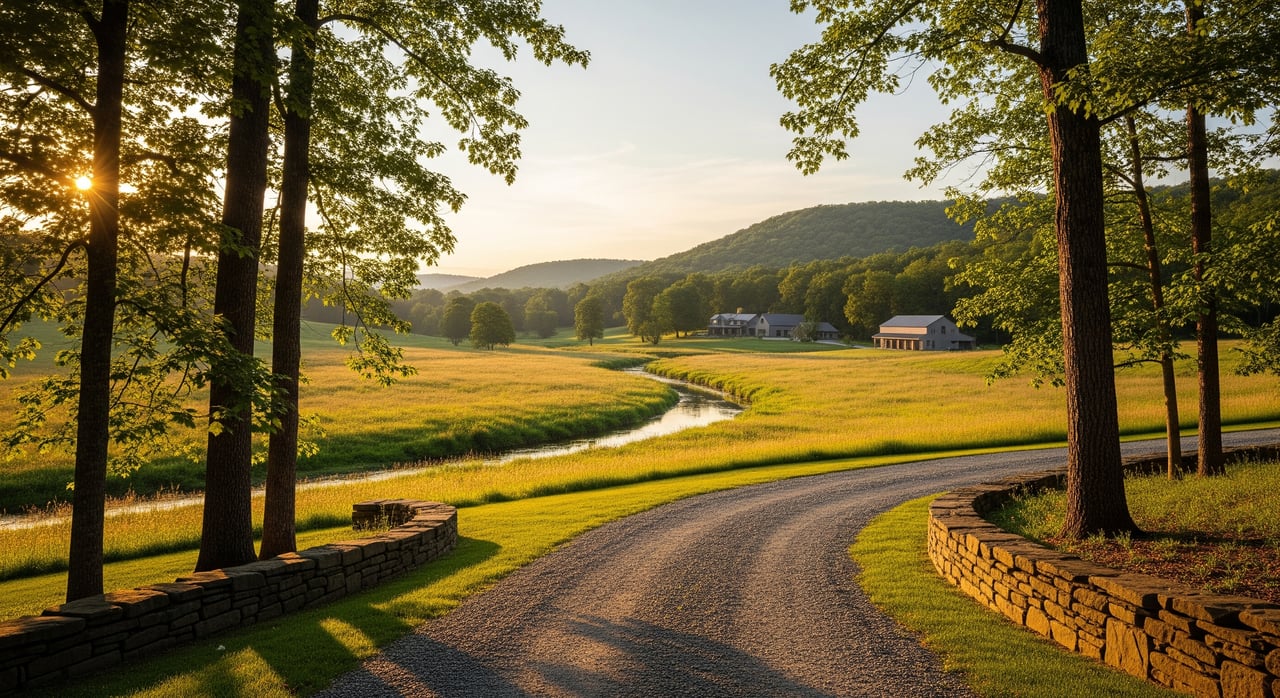
Thinking about buying acreage around Hedgesville and wondering where to start? Choosing the right parcel in 25427 comes down to more than pretty views. You want land that fits your lifestyle and holds its value over time. In this guide, you’ll learn how to assess access, soils, septic potential, title issues, and future-use options so you can move forward with confidence. Let’s dive in.
Start with your goals and local context
Before you walk a property, get clear on how you plan to use it. Your goals influence everything from septic requirements to driveway design.
Berkeley County sits in West Virginia’s Eastern Panhandle, an area that has seen steady growth thanks to proximity to Washington and Baltimore. Some rural parcels near Hedgesville may fall within areas targeted for future growth in county planning. That can shape what you can build, how you could split the lot later, and what infrastructure might be required.
- Review the county comprehensive plan and development rules to understand permitted uses and potential constraints.
- Confirm whether the land lies inside any local planning or overlay areas that govern subdivision and road standards.
- Expect typical rural land mixes: woodland, pasture, and hobby farms on rolling to hilly terrain.
Verify access and frontage early
Access is the first make-or-break item. You need both legal access and practical, year-round access.
Legal access vs. physical access
- Legal access means your deed or a recorded easement gives you the right to reach the property from a public road. Ask for the deed, recorded plats, and any road or utility easement documents.
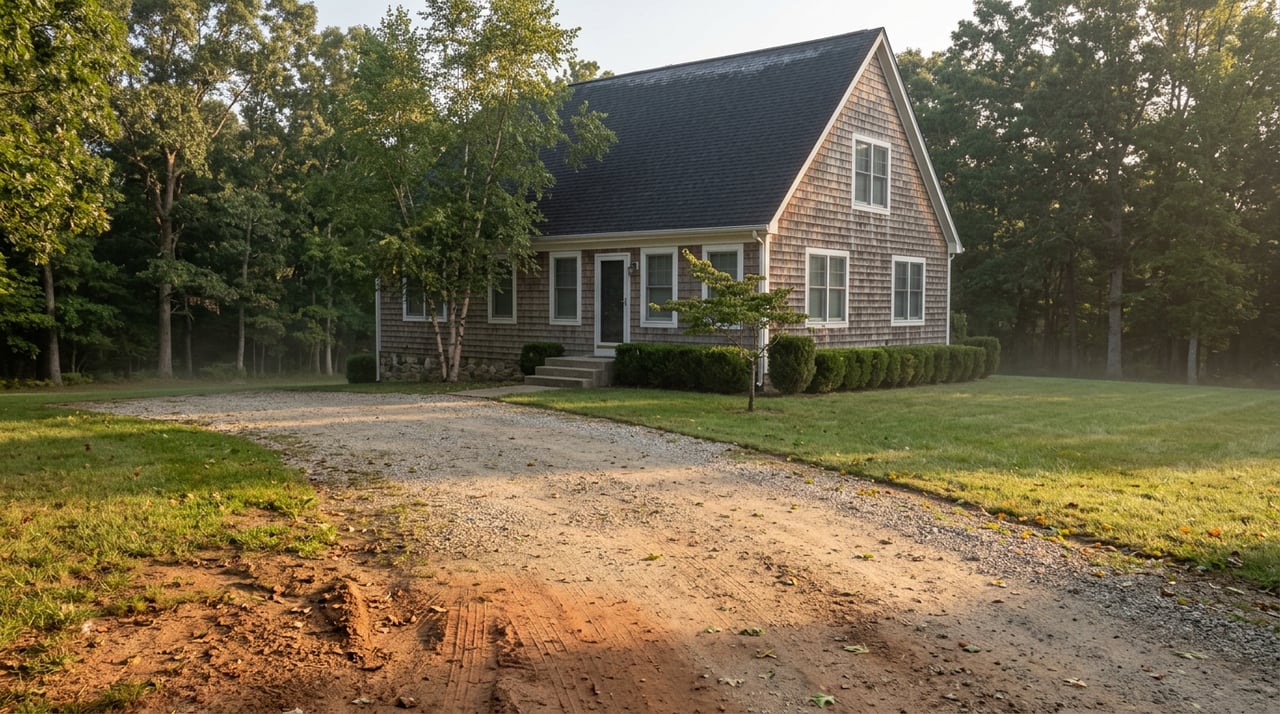
- Physical access is the real-world condition of the road or lane you will use. Drive it in different weather if possible and consider whether emergency vehicles can reasonably reach the homesite.
If the parcel relies on a private road, request the written easement. Avoid informal or unrecorded access arrangements. A title company or attorney can help confirm recorded rights-of-way and spot gaps in the chain of title.
Who maintains the road
- Public roads are typically maintained by state or county road agencies. Verify who maintains the specific segment that serves your frontage or entrance.
- Private roads are usually the responsibility of adjoining owners or an HOA or road association. Ask for a maintenance agreement, cost-sharing terms, and the recent maintenance history.
Also note any utility, pipeline, or neighboring access easements crossing the land. These can limit where you build.
Evaluate topography and soils
Your buildable area depends on slopes, soils, and drainage. A beautiful parcel can still be costly to develop if the terrain is steep or wet.
Slopes and buildability
- Steeper slopes raise site costs for clearing, grading, and retaining structures.
- Use contour maps or topographic tools to locate flatter building envelopes and to plan a driveway path that avoids sharp grades.
Walk the property to confirm where you can practically place a home, garage, and any outbuildings. Note setbacks from roads and streams.
Septic and well basics
Most rural parcels in 25427 will rely on a private septic system and a private well. The county health department administers septic and well rules.
- Expect a soils or percolation evaluation to size and type your septic system.
- Poor soils, shallow bedrock, clay, or a high water table can push you to a more complex and costly system.
- The county enforces minimum separation distances between wells and septic components. A workable layout depends on both soil suitability and available space.
If records exist, request any prior septic permits, well permits, water tests, or site evaluations. If none exist, plan for testing at your preferred homesite before finalizing your offer terms.
Drainage, wetlands, and floodplain
Surface water features like springs, seeps, and intermittent streams are common in rolling terrain.
- Building areas can be limited by FEMA flood zones and by wetlands or streams that trigger additional permits.
- Some wetlands and streams fall under federal or state jurisdiction. Disturbing them can require permits and buffers.
- Steeper cleared sites often need added erosion and sediment controls during construction.
Map the wet areas and seasonal drainage, then select building envelopes outside those constraints.
Title, minerals, and restrictions
A clean title and clear rights matter as much as good soils. In West Virginia, mineral rights are a special focus.
Mineral rights in West Virginia
Mineral rights are often severed from surface ownership in the state. If someone else owns the minerals, they may have certain rights to access and extract resources.
- Ask for a mineral-rights affidavit and a thorough title search if mineral status is unknown.
- Look for evidence of past or current mineral activity and any recorded leases or reservations.
Covenants, HOAs, and easements
Recorded covenants or HOA rules may limit agricultural uses, outbuildings, or certain rental types. Utility or pipeline easements can constrain building locations.
- Request copies of all covenants, HOA bylaws, and recorded plats.
- Note any conservation easements that restrict development or land clearing.
Liens and encumbrances
A title search should identify mortgages, tax liens, judgments, or unresolved boundary issues. Address these items early to avoid closing delays.
Plan for future use and long-term value
If you want flexibility later, study subdivision rules and market context now.
- Subdivision rules: Minimum lot sizes, frontage requirements, and road standards can limit future splits. New lots may require improved roads, drainage, and recorded plats.
- Market trends: The Eastern Panhandle has traditionally seen stronger demand than many rural regions of the state. Review recent rural acreage sales to set realistic expectations for resale.
- Conservation and agricultural programs: Some federal or state programs can provide income or tax benefits, but they often limit development.
- Income options: Managed timber and hunting leases can generate revenue. Get contracts in writing and review terms carefully.
- Infrastructure: Planned roads, utilities, or public facilities can change value over time. Monitor county capital improvement plans.
Cost and timeline: what to budget
The cost to make acreage build-ready varies by site. Here are the typical drivers:
- Site preparation: Clearing, grading, erosion controls, and rock removal rise with slope and tree cover.
- Driveway and culverts: Long driveways and road entrances add cost. Entrance permit reviews can add weeks.
- Septic: Conventional systems cost less than engineered or mound systems. Soil conditions determine what is allowed.
- Utilities: Extending electric, gas, or broadband to a homesite can be significant, especially if the run is long.
- Surveys and title work: A boundary survey is essential for acreage and can take time, especially on larger tracts.
- Permits and approvals: Septic, well, building, floodplain, and any wetlands or stream permits can add weeks to months.
Build these items into your budget and timeline before you set an offer price or schedule.
Due diligence steps for 25427 acreage
A layered approach reduces surprises. Start with records, talk to agencies, then verify on the ground.
Before you visit: request documents
- Current deed and any recent title insurance commitment.
- Recent boundary survey or stamped plat.
- Septic permit and installation records, plus well permits or water tests.
- Any covenants, HOA bylaws, or private road maintenance agreements.
- Timber harvest history and mineral-rights documentation.
- Latest property tax bills and any special assessment notices.
On site: what to look for
- Drive the access road to test grades, drainage, and passability in different conditions.
- Walk boundaries where marked; photograph corners and lines.
- Flag potential building envelopes on flatter ground away from streams and wet spots.
- Note setbacks from roads, streams, and neighboring structures.
- Observe signs of sinkholes, springs, or seasonal saturation.
After the visit: call the right offices
- Planning and zoning: Confirm zoning status, subdivision rules, and any overlays that affect your plans.
- Health department: Ask about septic and well records and the process for new approvals.
- Road agencies: Verify road ownership and maintenance responsibilities and ask about entrance permits.
- Soil and flood resources: Review soil maps and flood status to refine building envelope locations.
- Title company or attorney: Order a title commitment to identify easements, liens, mineral reservations, and covenants.
Red flags to pause on
Some issues can be tough or costly to fix. Slow down and get answers if you find:
- No recorded legal access or only informal permission to cross neighboring land.
- A parcel that lies largely in floodplain or mapped wetlands with limited buildable area.
- Soil conditions that do not support a feasible septic system and no sewer connection.
- Severed mineral rights with active mineral owners or recent extraction activity.
- Large liens, boundary disputes, or visible encroachments.
- An access road that is unsafe or unmaintainable year-round without a clear plan.
Smart questions to ask during showings
Bring these questions to the seller or listing agent to fill gaps quickly:
- How is the property accessed, and is access recorded in the deed or plat? Who maintains the road and how are costs shared?
- Is there a recent boundary survey? Where are the corner markers and line posts?
- Are there existing septic and well locations on site? Do you have permit numbers and service or pump records?
- Has any soils or percolation testing been completed for a proposed homesite?
- Are there any known wetlands, perennial streams, or seasonal flood areas on the parcel?
- Who owns the mineral rights, and has there been any mining or drilling on or near the property?
- Are there recorded covenants, a conservation easement, or HOA rules? Can I review the documents?
- Has timber been harvested recently or is there a timber management plan in place?
- What utilities are available at the road, and how far would lines need to be extended to the homesite?
- What are the current annual taxes, and is the property in any preferential tax program?
How a local partner helps you buy with confidence
When you are weighing acreage near Hedgesville, local knowledge matters. A connected brokerage can help you:
- Read parcel maps and recorded plats and coordinate with a title company for a clean commitment.
- Gather septic and well records and refer you to local pros for soils testing and system design.
- Verify road ownership and maintenance responsibilities and help you navigate entrance permit steps.
- Evaluate building envelopes, driveway strategies, and likely site costs to inform your offer.
- Understand subdivision potential, future-use options, and market demand in the Eastern Panhandle.
If you are ready to evaluate a specific tract or want help building a short list that matches your goals, reach out to the team at Kesecker Realty, Inc.. You will get straightforward guidance from local agents who know the land and the process.
FAQs
What permits are required to build on rural acreage in Berkeley County?
- Expect septic and well approvals, a building permit, and possibly entrance, floodplain, or wetlands-related permits depending on site conditions and access.
How do I confirm legal access to a land parcel near Hedgesville?
- Review the deed, recorded plats, and any easement documents, then order a title commitment to verify recorded rights-of-way and identify gaps or encumbrances.
What should I know about septic systems for acreage in 25427?
- Septic approval depends on soils and space for a drainfield; poor soils may require engineered systems that cost more and take longer to permit.
Can I subdivide my Hedgesville acreage later?
- It depends on county subdivision rules, minimum lot sizes, frontage requirements, and required road and drainage improvements; check with planning staff early.
How do mineral rights affect a land purchase in West Virginia?
- Mineral rights are often severed from the surface; a title review can confirm ownership and any reservations that could allow extraction or surface use by mineral owners.
How long does it take to close on acreage after my offer is accepted?
- Timelines vary, but allow extra time for surveys, title work, septic and soils evaluations, and any permits; complex sites or access issues can add weeks to months.