Thinking about buying your first home in Falling Waters but not sure where to start? You are not alone. Between price ranges, loans, HOAs, and commute questions, it can feel like a lot at once. This guide gives you a clear roadmap tailored to Falling Waters so you can shop with confidence. Let’s dive in.
What you can buy in Falling Waters
Falling Waters is a small community in Berkeley County with a 2020 population of about 1,440, which means inventory can feel tight at times. You will see a mix of new townhomes, established subdivisions near the Potomac, and some rural parcels. Recent snapshots place the typical value in the low to mid 300s, with list prices sometimes running higher based on inventory mix. Treat these as guideposts, then check real-time MLS data when you are ready to tour.
- Entry-level options: About $240k–$320k for many townhomes and smaller resales.
- Mid-range single-family: Roughly $300k–$420k for 3–4 bedrooms with moderate yards and, sometimes, finished basements.
- Riverfront and acreage homes: Often $420k and up depending on lot size, water access, and updates.
For context on the community size and setting, review the quick overview of Falling Waters.
Real listing snapshots you will see
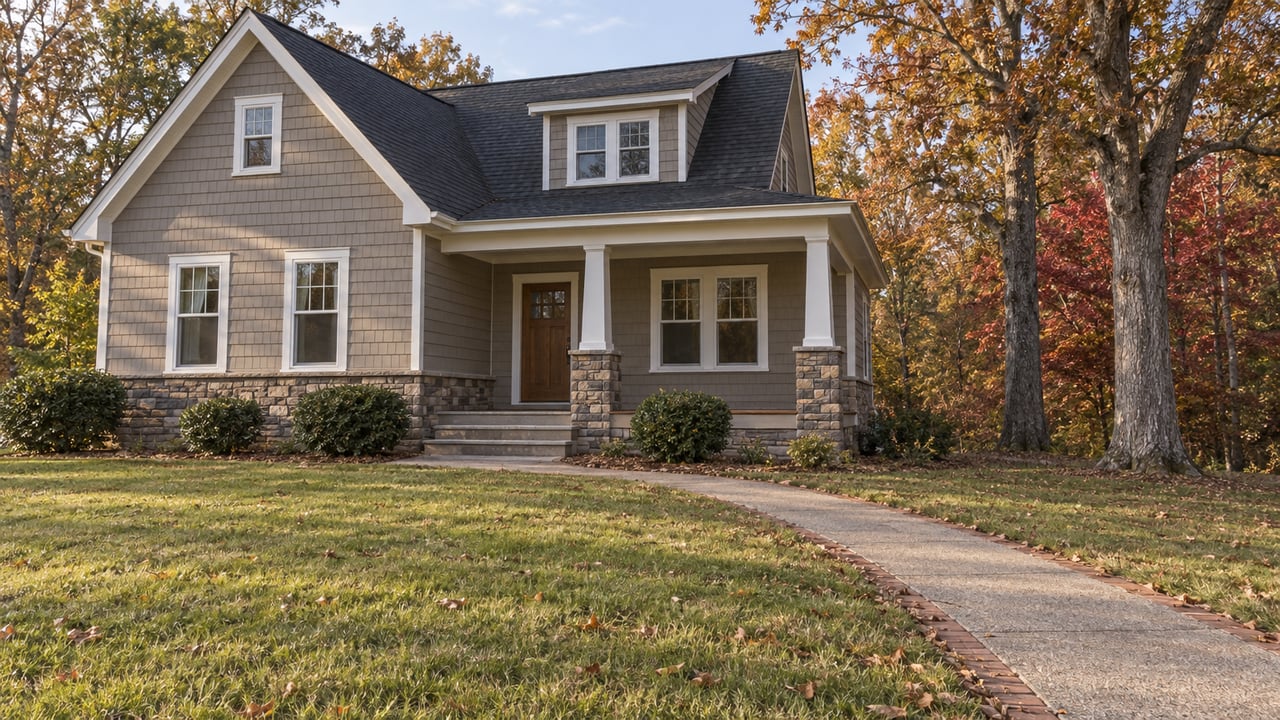
Here are three illustrative examples of what often appears in local searches. Use these to set filters and questions for your agent.
New townhome in Homeplace at Riverside (LGI Homes)
- Price band: mid $200s to low $300s.
- HOA: listings show dues as low as about $25 per month in this area.
- Year built: recent new construction.
- Sewer: typically public sewer in these planned communities, but confirm on each listing.
3–4 bed single-family, 1,800–2,200 sq ft, established subdivision near the Potomac
- Price band: about $300k–$420k depending on lot, age, and finishes.
- HOA: common, with rules and amenities that vary by neighborhood.
- Year built: varies by street and phase; check listing details.
- Sewer: can be public sewer or septic, and some areas have or had package plants. Verify early.
Larger lot or acreage property
- Price band: often $420k+ for larger footprints or river-adjacent settings.
- HOA: may be present or not, depending on the subdivision.
- Year built: varies widely from older homes to newer custom builds.
- Sewer: more likely to be septic on rural parcels. Ask for records and permits.
Which loan fits you
First-time buyers in Falling Waters often start with these four routes. Pair your choice with a strong pre-approval and confirm program limits before you offer.
- FHA: Lower down payment. Check county loan limits on the HUD loan-limit lookup. Lender overlays apply.
- VA: 0 percent down for eligible veterans and service members. Funding fee and property condition rules differ from FHA and conventional.
- USDA Rural Development: Some Falling Waters addresses show as USDA-eligible, which can allow 100 percent financing for qualified buyers who meet income limits. Always verify individual property eligibility with the USDA property eligibility lookup.
- West Virginia Housing Development Fund (WVHDF): State-backed down payment and closing cost assistance with income and purchase price caps. Review the current WVHDF income and price limits.
Quick steps:
- Get pre-approved with a lender who knows WV programs.
- Ask about pairing options, like WVHDF with FHA or conventional.
- Confirm USDA property eligibility and FHA county loan limits before you write an offer.
Hidden costs and HOA realities
Entry-level townhomes with modest dues can keep monthly costs predictable. Still, read the HOA documents. Dues, rules, reserves, and pending assessments vary by community. If a property sits in a FEMA Special Flood Hazard Area, your lender will require flood insurance, which increases the monthly payment. See FEMA’s guidance on flood mapping and coverage in this technical job aid.
Inspections and utilities checklist
Utility setup differs across Falling Waters, so build these items into your due diligence.
- Public sewer vs septic: Some parcels are on septic or use private package plants, while others connect to the Berkeley County sewer district. Ask for a clear statement of sewer type early. For septic, request a pump and inspection plus available permits and perc results.
- Sewer system context: The county has pursued upgrades and addressed historic overflow issues under federal and state oversight. Review the background and ask for current connectivity details. See the EPA’s summary of the Clean Water Act settlement and improvements.
- Radon test: Berkeley County is in EPA Zone 1 for radon potential. Add a radon test to your inspection. Learn more from the EPA radon map.
- Private wells: If a home uses a well, order a certified lab test for total coliform/E. coli and nitrate, and consider locally relevant contaminants. The EPA outlines well safety and testing basics for families in this overview.
- Core systems and drainage: Inspect roof, HVAC, electrical, and grading. Basements and crawlspaces in the region can hold moisture if drainage is poor.
- HOA review: Use your contract contingency to read Covenants, Conditions & Restrictions, recent meeting minutes, reserve studies, and any pending assessments before settlement.
Commute and access
You are about 8–10 miles from Martinsburg, which anchors much of the region’s shopping and services. Getting to Washington, DC is roughly 80–85 miles. Off-peak trips can take 75–100 minutes, while rush hour or incident days can run 2 hours or more. See a representative distance and timing context from Falling Waters to Washington, DC.
For rail, the MARC Brunswick Line serves the corridor to Union Station on weekdays, with Martinsburg as the westernmost stop on some trains. Schedules are commuter-focused and limited, so plan around your work hours and parking needs. Use the National Park Service’s regional rail and directions page as a starting point.
Practical tip: If you need a sub-60-minute one-way commute to downtown DC most days, Falling Waters likely will not meet that by car or train. For hybrid or part-time telework, the location can work well.
Budget fit quick checks
- Under $280k: Prioritize townhomes, smaller resales, or homes needing updates.
- $300k–$420k: Broadest access to 3–4 bedroom single-family homes in established subdivisions.
- Remember add-ons: Closing costs, moving, small repairs, HOA dues, and possibly flood insurance if the property lies in a FEMA SFHA. See FEMA’s guidance on flood impacts in the technical job aid.
Your next steps
- Get pre-approved with a local lender and ask about FHA, VA, USDA, and WVHDF options. Start with the WVHDF income and price limits and HUD’s loan-limit lookup.
- Ask your agent to filter searches by public sewer vs septic, FEMA flood zone, HOA presence and fees, and USDA eligibility if you want 0 percent down.
- When you find a target home: order a home inspection plus radon test, request septic documentation or county sewer confirmation, and for wells, require a certified water test. Review HOA documents and recent minutes before you remove contingencies.
- Test your commute during the hours you will travel, or confirm MARC trains and parking for Martinsburg station using the regional rail overview.
If you want a local partner who knows the Eastern Panhandle inside and out, reach out to Kesecker Realty, Inc.. We will help you align budget, financing, utilities, HOA details, and commute so your first purchase in Falling Waters feels straightforward.
FAQs
What is a realistic first-time buyer price range in Falling Waters?
- Many first-time buyers shop between about $240k and $320k for townhomes and smaller resales, with mid-range single-family options often running $300k to $420k.
Are USDA loans available for homes in Falling Waters?
- Some addresses appear USDA-eligible, which can allow 100 percent financing for qualified buyers. Always verify a specific property on the USDA eligibility lookup.
How do HOAs work for new townhome communities in Falling Waters?
- Communities like Homeplace at Riverside often have modest monthly dues, with some listings showing about $25 per month. Review the HOA packet to understand rules, reserves, and assessments.
Do I need flood insurance for homes near the Potomac River?
- If a home is in a FEMA Special Flood Hazard Area, lenders require flood insurance. Confirm the parcel’s status and see FEMA’s technical guidance.
Is radon a concern in Berkeley County homes?
- Yes. The county is in EPA Zone 1 for radon potential. Add a radon test to your inspection and review the EPA radon map.
What are the commute options to Washington, DC from Falling Waters?
- Driving is common, but trips can exceed 75–100 minutes and run longer in rush hour. The MARC Brunswick Line from Martinsburg offers weekday service to Union Station with limited schedules. See the regional rail overview for context.