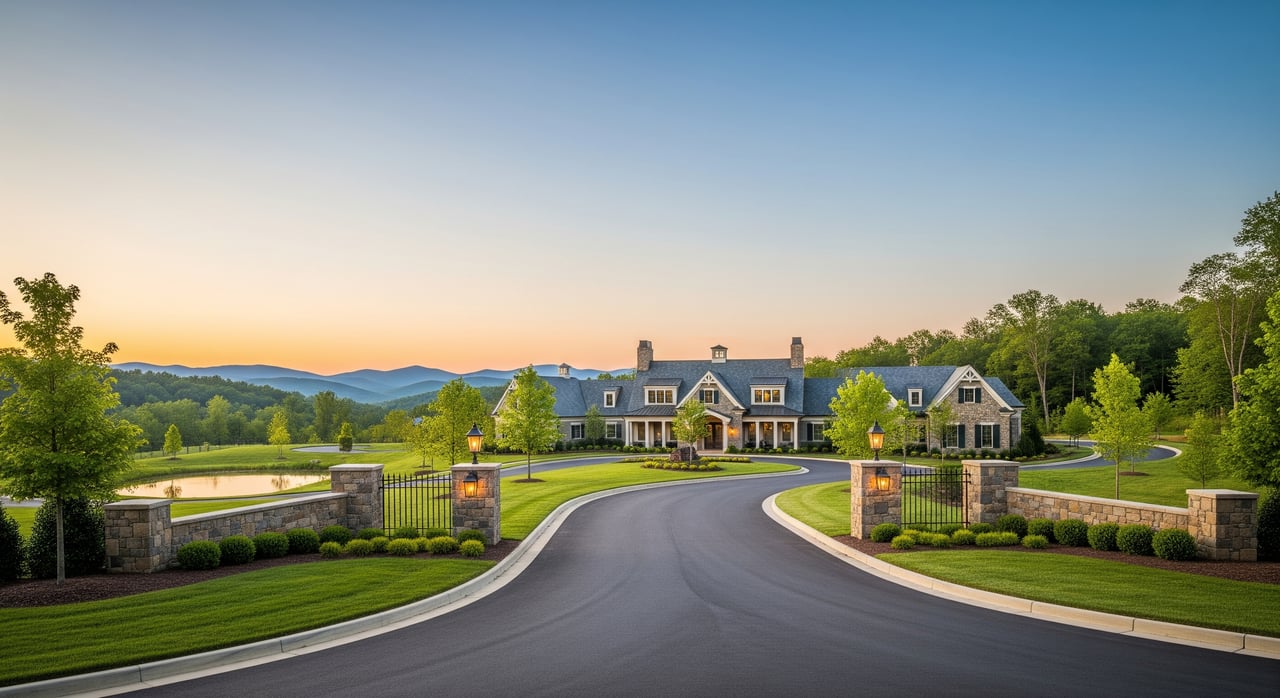
Thinking about buying in a homeowners association in Falling Waters? You are not alone. Many Berkeley County neighborhoods use HOAs to keep common areas tidy, coordinate amenities, and set consistent standards. This guide breaks down what HOAs typically cover, how fees work, which rules to expect, and exactly what to review before you write an offer. Let’s dive in.
How HOAs work in Falling Waters
Falling Waters includes a mix of single-family subdivisions, townhomes, and some condo-style communities. Smaller HOAs are often run by volunteer boards, while larger neighborhoods with pools, private roads, or many homes may hire a professional management company. That means operations and responsiveness can vary by community size and age.
All HOAs here are governed by recorded documents, usually called CC&Rs, along with bylaws and articles of incorporation. These documents define rights, restrictions, budgets, and enforcement. You should verify the HOA’s powers and your responsibilities by reviewing those documents and, if needed, speaking with a West Virginia real estate attorney for clarity on legal questions.
Amenities you may see
Local HOAs tend to focus on upkeep and community cohesion. Depending on the development, services can include:
- Entrance signage, landscaping, street trees, and lighting in common areas
- Small parks, playgrounds, walking trails, and sometimes a community pool or picnic area
- Maintenance of stormwater and drainage easements in planned communities
- Contracts for trash or recycling in some neighborhoods, plus snow removal on private roads
- Street sweeping and landscape care for common areas
- Architectural Review Committee (ARC) oversight for exterior changes
- In townhome or condo communities, building exterior maintenance, common-area insurance, and some utilities may be included
Presence of a pool, clubhouse, or gated entry usually increases dues. Older subdivisions often carry simpler, lower fees that focus on common-area upkeep and administration.
Typical HOA fees
HOA dues fund ongoing operations, insurance, utilities for common areas, management, and contributions to reserve accounts for long-term repairs. Exact amounts vary by subdivision, but common ranges include:
- Small single-family neighborhoods with basic services: usually a few hundred dollars per year, often around $100 to $500
- Amenity-focused single-family communities with features like pools or private roads: several hundred dollars to around $1,200 or more per year
- Townhouse or condo associations with exterior building coverage: typically higher, often in the range of $200 to $600 or more per month
HOAs set budgets annually and may adjust dues to match expenses. If reserves are low or a big repair is needed, owners can face a special assessment. Review the budget, reserve study, and meeting minutes to understand the risk of increases or assessments.
Rules and covenants to expect
Every HOA community has its own standards. Common provisions in Berkeley County developments include:
- Architectural controls that require ARC approval for exterior changes, such as paint, roofing, decks, fences, sheds, or additions
- Use restrictions on commercial signage, home-based businesses, and short-term rentals
- Parking and vehicle rules for street parking, RVs, boats, and commercial vehicles
- Landscaping and exterior maintenance standards, including trash container storage and fencing types
- Pet rules, including limits, leash requirements in common areas, and potential breed or size restrictions
- Noise and nuisance rules, plus bans on outdoor storage or certain exterior items
- Leasing limits, such as minimum lease terms, rental caps, or lease approvals
Enforcement usually includes fines, suspension of common-area privileges, and lien rights for unpaid assessments. Always read the enforcement section closely.
What to review before you buy
Ask for the full HOA document package early and build time into your contract to review it. Focus on:
- CC&Rs, bylaws, and articles of incorporation
- Rules and regulations that affect daily life, such as pets and parking
- Current operating budget and recent financial statements
- Reserve study and reserve balances
- Meeting minutes for the last 12 to 24 months
- Insurance policies, including coverage limits and deductibles
- Estoppel or payoff letter confirming dues status, assessments, and transfer fees
- Any litigation disclosures and the management contract information
Watch for red flags like low or no reserves paired with aging infrastructure, repeated special assessments, unclear ARC standards, unusual voting rules, or pending litigation.
Smart questions to ask
Before you finalize your offer, ask the HOA or seller:
- What are the current dues, payment schedule, and recent increase history?
- Are any special assessments pending or under discussion?
- What is the reserve fund balance and the date of the most recent reserve study?
- Who manages the association and how responsive are they?
- How are board members elected and how often are meetings held? Are minutes available?
- What is the ARC approval process and timeline?
- What are the rental, pet, parking, and vehicle storage rules?
- Which services or utilities, if any, are included in dues?
- Are there transfer fees at closing and who pays them?
Local verification steps
A little local research goes a long way in Berkeley County. You can:
- Request recorded CC&Rs and plats from the County Clerk or Recorder to confirm easements and whether roads are private or public
- Check county tax records to understand ownership and maintenance responsibility for roads and common areas
- Contact the HOA’s management company or board for budget details, reserve data, and policy clarifications
- Have the title company search for recorded liens tied to the association
- Consult a West Virginia real estate attorney about enforcement rights, lien powers, or any legal interpretation questions
Quick buyer checklist
Use this fast reference while comparing HOA and non-HOA homes in Falling Waters:
- Request CC&Rs, bylaws, rules, budget, reserve study, minutes, insurance, and an estoppel
- Confirm who maintains roads, streetlights, and drainage: HOA or county
- Review reserves and special assessment history; low reserves can mean higher risk
- Check rental and pet rules if either matters to you
- Ask about ARC steps and approval timing for any planned projects
- Verify what dues cover, including trash, landscaping, exterior maintenance, and insurance
- Speak with the manager or a board officer to gauge responsiveness and clarity
- Build an HOA review contingency into your contract timeline
Pros and trade-offs
An HOA can help preserve neighborhood appeal and property values through consistent standards. You may also benefit from shared amenities and coordinated maintenance. In return, you accept rules that shape exterior choices and daily use, along with ongoing dues and the possibility of special assessments. The right fit depends on your lifestyle, plans for the property, and budget.
If you would like local guidance on specific neighborhoods, documents, and due diligence steps, our team is here to help. Reach out to Kesecker Realty, Inc. to discuss your goals and next steps.
FAQs
What do Falling Waters HOA fees usually cover?
- Dues often fund common-area landscaping, lighting, management, insurance, and reserves, with added services like pools, private road upkeep, or trash in some communities.
How do I confirm if a neighborhood road is private or public in Berkeley County?
- Review recorded plats at the County Clerk or Recorder and check county tax records to verify ownership and maintenance responsibility.
How can I see the HOA rules before making an offer on a Falling Waters home?
- Request the CC&Rs, bylaws, and rules from the seller or management company and include an HOA document review contingency in your contract.
Can I rent out a home in a Falling Waters HOA?
- It depends on the community; some HOAs limit rental percentages or require minimum lease terms, so read the leasing section of the CC&Rs carefully.
What is an HOA estoppel and why do I need it in West Virginia?
- An estoppel or payoff letter confirms dues status, transfer fees, and any pending assessments, which protects you from surprises after closing.
Who enforces HOA rules in Berkeley County neighborhoods?
- The HOA board or its manager enforces rules, typically through notices, fines, and, for unpaid assessments, liens; consult a West Virginia attorney for legal questions.